

Sleep. You chase it, bargain with it, and sometimes it slips right through your fingers for no good reason. A lot of people quietly suspect magnesium might help, but the noise online gets confusing fast.
Let’s slow things down, sift through the fluff, and talk about the best magnesium for sleep—without pretending everything is perfectly phrased.
Why Magnesium Even Matters for Sleep
Magnesium plays a key role in nerve signaling, stress regulation, and muscle relaxation, all of which directly affect sleep quality. When levels drop, sleep often suffers—a connection widely covered in evidence-based health research found in trusted resources like this health and wellness hub. However, not all magnesium forms work the same way: some absorb well and support relaxation, while others are better known for digestive effects rather than deep sleep, a distinction frequently highlighted in expert-backed health education content.
So let’s break down the types, the hype, the science, and the practical stuff you actually want to know when you’re staring at magnesium tablets in the pharmacy aisle at 11 p.m., hoping for a miracle.
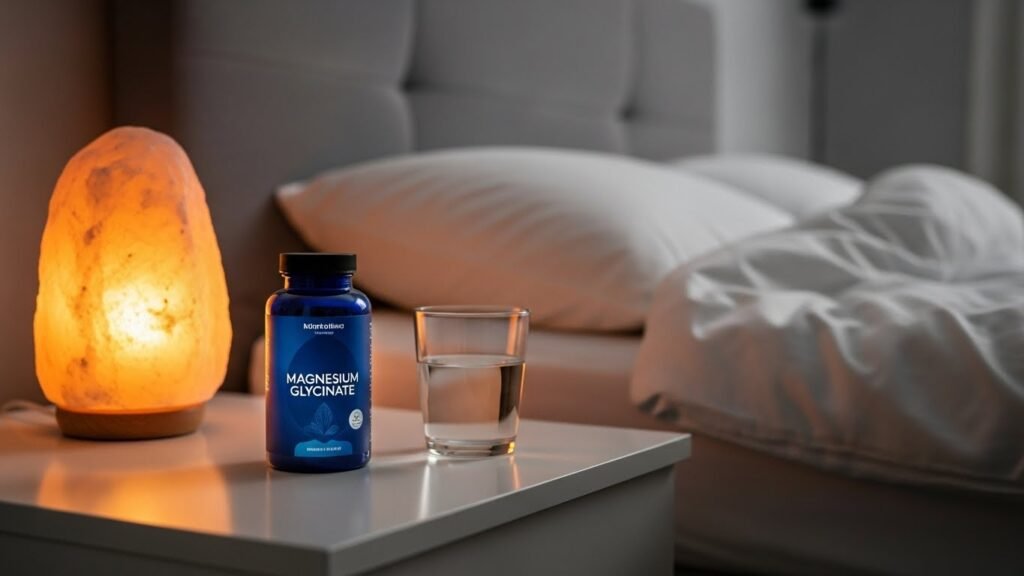
Magnesium Glycinate
Why so many people swear by it for deep sleep
If you’ve poked around sleep supplements, this one keeps showing up. Magnesium glycinate pairs magnesium with glycine—an amino acid that already helps with calming the nervous system. The combo feels almost tailor-made for nighttime.
It’s gentle.
It’s highly absorbable.
It doesn’t send you running to the bathroom.
A lot of people with sensitive stomachs—or those who have tried magnesium oxide and regretted it—end up sticking with glycinate. And honestly, for good reason.
Benefits people notice with magnesium glycinate:
- Smoother transition into sleep
- Less tension in shoulders and jaw
- Fewer middle-of-the-night wakeups
- Calmer mind, even if it’s not a “dramatic” effect
- Lower risk of digestive drama
It’s basically the gold standard for magnesium for sleep, even outside Australia, the U.S., or anywhere else. Still—and this is important—your body may respond differently. Supplements aren’t one-size-fits-all, even when influencers swear they are.
Magnesium Glycinate Australia: Is It Any Different?
Short answer: not really.
Longer answer: brands in Australia often follow tighter supplement regulations, but the form of magnesium remains the same. You’re just getting local manufacturing standards and sometimes slightly pricier options because of that.
Some Aussie brands add calming herbs like passionflower or chamomile. That can help… or overdo it. Depends on your tolerance.
If you’re in AUS and wondering whether glycinate is worth the hype for sleep—the answer is usually yes. It’s often one of the best magnesium for sleep options across countries.
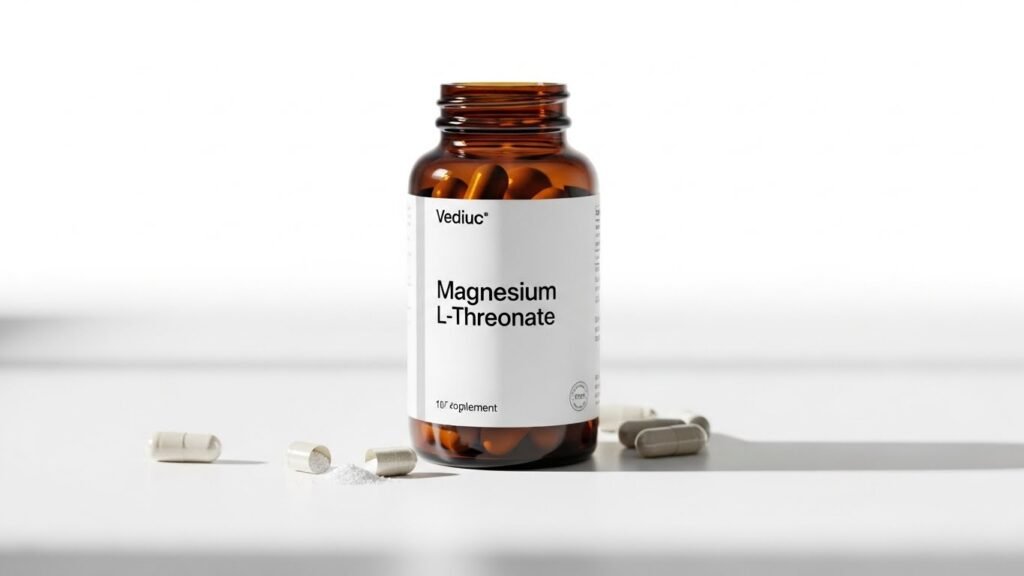
Magnesium L-Threonate
The brain-focused form that gets a lot of buzz
Magnesium L-threonate is pricey. Like, “why is this bottle double the cost of everything else?” pricey. The reason: it’s one of the few forms shown to cross the blood–brain barrier effectively.
So instead of just relaxing your muscles, it may help calm mental chatter, support memory, and—this is why people buy it—quiet the brain enough for deeper sleep.
What it’s good for:
- Overthinking before bed
- Brain fog
- Stress-driven insomnia
- People who want magnesium specifically for cognitive support
What it isn’t good for:
- Tight budgets
- People who mainly need help with muscle relaxation
- Quick “knock me out tonight” effects
It’s subtle but impactful. If your sleeplessness comes from rumination or mental overstimulation, magnesium L-threonate might feel like a missing puzzle piece.
Magnesium Powders vs. Magnesium Tablets
Is the form you use really that important?
Some people swear magnesium powder dissolves faster and absorbs easier. Others prefer magnesium tablets because they’re simple and mess-free. Both work—but there are pros and cons.
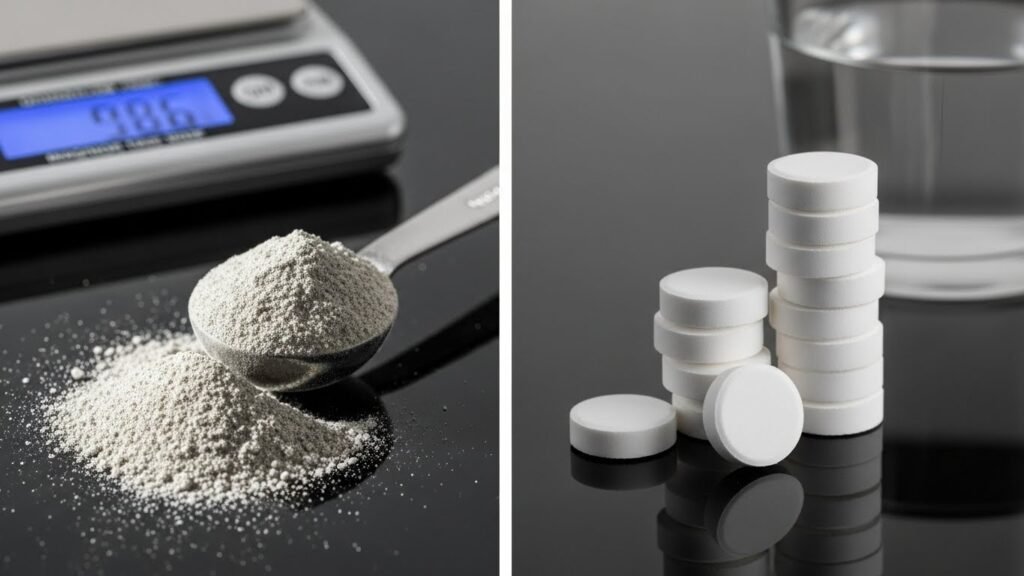
Magnesium Powder
Pros:
- Easier to digest
- Customizable dose
- Often tastes pleasant if flavored
- Great for people who can’t swallow big tablets
Cons:
- Can clump in humid climates
- More packaging, more cost
- Some versions have sweeteners that don’t sit well with everyone
Magnesium Tablets
Pros:
- Portable
- Usually cheaper
- Don’t require mixing
- Consistent dosing
Cons:
- Can be large and hard to swallow
- Sometimes include fillers
- Digestive sensitivity varies
Powders are popular for nighttime routines—like mixing into warm water or herbal tea. Tablets are perfect if you want “take it and forget it.”
Magnesium Sleep Tablets
Most “sleep tablets” are blends. They often include magnesium glycinate + herbal extracts + B vitamins + sometimes melatonin. Those formulas can be great, or they can be too much.
People with sensitive sleep cycles sometimes get groggy in the morning or feel oddly wired. Magnesium alone usually doesn’t do that, but melatonin combos can.
If you want something simple, stick with single-ingredient magnesium sleep tablets. If you want something stronger, the blended formulas can save you from needing multiple separate supplements.
Which Magnesium Is Best for Sleep and Anxiety?
This is a big question in search results, and for good reason. Anxiety is one of the biggest sleep disrupters. The magnesium types that seem to help both are:
Magnesium Glycinate
Best for:
- Sleep
- Stress
- Muscle tension
- Overall calming
Magnesium L-Threonate
Best for:
- Racing thoughts
- Cognitive tension
- Daytime anxiety spillover into the night
Magnesium Taurate
(You didn’t request this one, but it’s worth mentioning.)
Best for:
- Heart-palpitations-with-anxiety
- Nervous system regulation
If you battle both anxiety and insomnia, glycinate is usually the first stop, and L-threonate is the upgrade.
Spraying Magnesium (Topical Magnesium)

Does it actually absorb—or is it placebo?
“Magnesium spray” or “magnesium oil” gets a lot of attention. You spray it on your skin, rub it in, and supposedly absorb magnesium transdermally.
Some people swear it works.
Others feel nothing except a salty residue and a little itchiness.
Scientifically, the evidence is mixed. It may absorb through hair follicles and sweat glands, but not as reliably as oral forms.
Who it helps:
- People who hate swallowing supplements
- Those with muscle cramps
- Anyone wanting quick localized relief
Who it won’t help much:
- People with systemic magnesium deficiency
- Those wanting guaranteed sleep results
Topicals shine for muscle tightness. For sleep specifically? It’s a “maybe.”
Magnesium and Magnesium Oxide
Magnesium oxide is everywhere because it’s cheap. It’s also one of the least absorbable forms. That doesn’t mean it’s useless—it just means your body only grabs a little from each dose.
Good for:
- Constipation
- Occasional headaches
Not great for:
- Deep sleep
- Anxiety
- Restlessness
People often buy it thinking all magnesium is the same. Then they wonder why nothing changed. Oxide can help in its own way, but if sleep is the goal, glycinate, citrate (sometimes), or threonate perform far better.
Does Magnesium Help Sleep?
Science says there’s a solid correlation. The mechanism is tied to:
- GABA (your brain’s primary calming neurotransmitter)
- Muscle relaxation
- Cortisol regulation
- Nervous system balancing
Low magnesium can trigger restless sleep, muscle spasms, nighttime anxiety, and difficulty staying asleep. But magnesium isn’t like a sleeping pill—it doesn’t “knock you out.” It nudges your body toward its natural ability to wind down.
Some nights that feels subtle. Other nights it feels like you finally shut off the internal static.
Magnesium Sleep: What People Typically Notice
Here’s what real users describe, not marketing claims:
- Falling asleep faster without a sedative feeling
- Less mind-racing
- Waking up fewer times
- Dreams becoming more vivid
- A calmer nervous system the following day
- Reduced tension headaches
But here’s the thing—magnesium rarely works overnight. Most people notice improvements within a week or two, not immediately.
Magnesium Deficiency Diseases (Brief but Important)
You might be surprised how many symptoms trace back to chronically low magnesium:
| Condition / Symptom | Possible Connection to Low Magnesium |
| Insomnia | Nervous system imbalance |
| Anxiety / Panic | Neurotransmitter dysregulation |
| Muscle cramps | Essential mineral deficit |
| High blood pressure | Vascular tension |
| Migraines | Neurological sensitivity |
| Fatigue | Impaired energy production |
| Arrhythmia | Electrolyte imbalance |
This doesn’t mean magnesium causes these diseases, but deficiency is often a contributing factor—especially with sleep.
So… What’s Truly the Best Magnesium for Sleep?
If we’re talking reliability, comfort, low side-effects, and real-world user feedback:
Magnesium glycinate usually wins.
Magnesium L-threonate wins for “sleep + brain calmness.”
You’ve seen the keyword enough already, so just quietly note: those two forms repeatedly rise to the top when discussing the best magnesium for sleep without the marketing drama.
Comparing Magnesium Types for Sleep
1.Magnesium Glycinate
-
Best for: Sleep, anxiety relief
-
Sleep effectiveness: ⭐⭐⭐⭐⭐
-
Digestive impact: Very gentle
-
Notes: Most recommended
2.Magnesium L-Threonate
-
Best for: Cognitive calm, mental clarity
-
Sleep effectiveness: ⭐⭐⭐⭐☆
-
Digestive impact: Gentle
-
Notes: Expensive but effective
3.Magnesium Citrate
-
Best for: Digestion + mild sleep support
-
Sleep effectiveness: ⭐⭐☆☆☆
-
Digestive impact: Can loosen stools
-
Notes: Not ideal as a sleep supplement
4.Magnesium Oxide
-
Best for: Constipation relief only
-
Sleep effectiveness: ⭐☆☆☆☆
-
Digestive impact: Strong laxative
-
Notes: Not recommended for sleep
5.Magnesium Taurate
-
Best for: Stress + heart rhythm
-
Sleep effectiveness: ⭐⭐⭐☆☆
-
Digestive impact: Gentle
-
Notes: Good for anxiety-driven sleep issues
6.Topical Magnesium Spray
-
Best for: Muscle relaxation
-
Sleep effectiveness: ⭐⭐☆☆☆
-
Digestive impact: Varies
-
Notes: Not reliable for systemic sleep benefits
How to Take Magnesium for Sleep (Without Overthinking It)
- Eat normally throughout the day.
- Take your magnesium 1–2 hours before bed.
- Start with a lower dose (100–150 mg elemental magnesium).
- Adjust slowly.
- Avoid stacking multiple magnesium types unless you know how you react.
A simple routine beats a complicated one every time.
Possible Side Effects
Even the “gentle” types can cause:
- Loose stools
- Mild nausea
- Warmth or flushing
- Weird dreams (rare but interesting)
If symptoms get annoying, reduce your dose or switch forms.
Who Shouldn’t Take Magnesium Without Talking to a Doctor
- People with kidney disease
- Anyone taking certain heart medications
- Those with severe gastrointestinal conditions
Magnesium is safe for most people—but “natural” doesn’t mean “no precautions needed.”
5 FAQs (People Also Ask Style)
1. How quickly does magnesium work for sleep?
Some feel it on night one. Most see improvement within 1–2 weeks as their magnesium levels stabilize.
2. Is magnesium glycinate better than melatonin for sleep?
Often, yes. Magnesium supports your natural sleep system, while melatonin forces a hormonal shift. Magnesium tends to feel smoother and less groggy.
3. Can I take magnesium every night?
Yes—most forms are safe for daily use. Just avoid overdoing it and stick to reasonable doses.
4. Does magnesium cause dreams or nightmares?
Some people report more vivid dreams on certain forms (glycinate especially). It’s usually harmless and fades as your body adjusts.
5. Which magnesium helps most with anxiety before bed?
Glycinate and L-threonate consistently show the best results for anxiety-related sleep struggles.