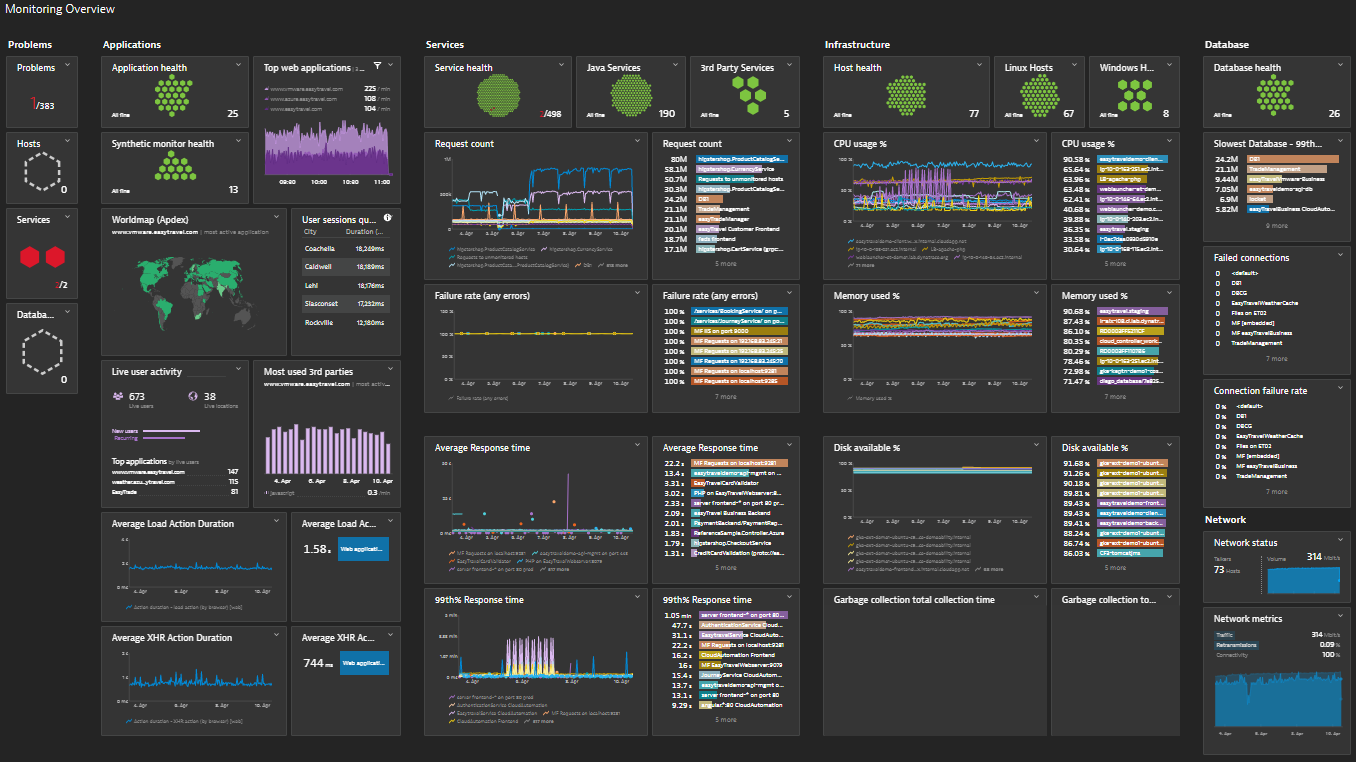
Most companies don’t instantly panic when their systems fail. They usually have a break first. A moment of disbelief. And then the dashboards get activated, the phones start buzzing and suddenly the only thing that matters is getting the system up and running again.This is where enterprise recovery systems silently give their greatest value. Not at vendor presentations or during planning meetings, but in those nerve-wracking hours when real money, trust, and reputation are at stake. In such big organizations, especially under strict regulations and high uptime expectations like in Australia, recovery is not just an occasional background activity. It is operational survival.
Recovery Has Outgrown the Old Backup Mindset
Recovery, in the past, was simple to understand. You lost data, you restored it. It might have taken hours or maybe a day. Everyone was fine with it.
Now that tolerance is gone. Businesses run 24/7. Customers want to be able to access their services anytime. Regulators require data integrity even when there is a crisis. In cities like Sydney and Melbourne that have a heavy presence of financial services, healthcare, and government, systems downtime is not just inconvenient anymore, it is something that has to be reported.
Modern enterprise production recovery systems are designed with this fact in mind. They put emphasis on speed, predictability and control instead of just having data copies somewhere.
Why Enterprise Environments Make Recovery Harder
Enterprise systems don’t stop working in an orderly fashion. One outage often leads to another. An identity service fails, applications no longer get access to the identity service, databases become locked, and before you know it, coordinating recovery is more of a concern than the technical aspect of it.
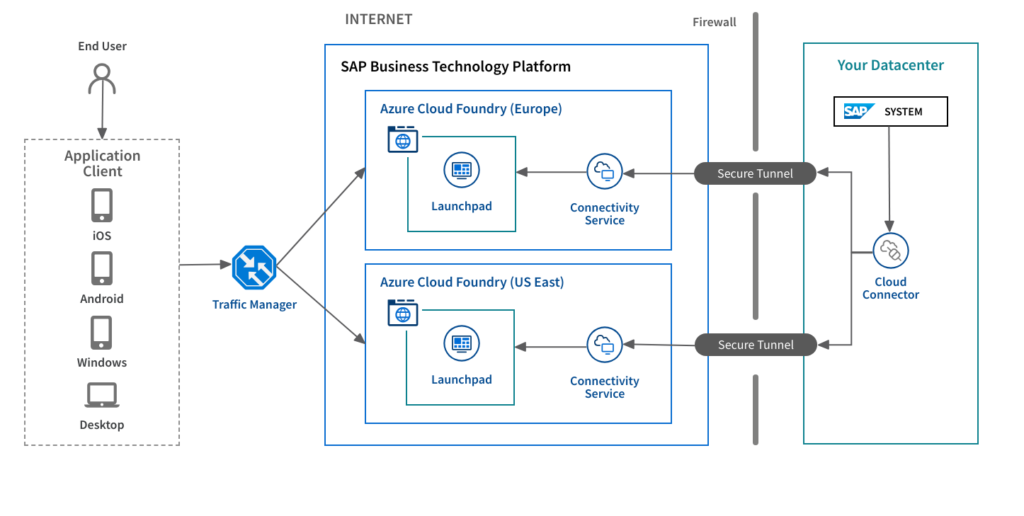
Enterprise businesses in Australia running hybrid environments are very familiar with the intricacies of this type of challenge. Some workloads remain in on-premise data centers to meet local sovereignty and regulatory requirements, while others operate in cloud regions in Sydney or overseas. In these setups, recovery must happen quickly without violating compliance boundaries—especially when government oversight, regulatory bodies, or departments similar to the Health Department are involved in defining data handling and governance standards.
That’s what makes recovery planning at scale less about tools and more about orchestration. Without orchestrating the recovery, you can actually make the downtime longer through restores.
Backup Software Still Forms the Foundation
Even with all the innovations, backup software still remains at the heart of recovery. Enterprises not backing up their data is not the issue. They just don’t always know whether their backups would actually work if needed.
Backups may fail without any warning. Backup plans may lose their discipline. Storage may get full. Software agents may stop communicating with each other. A lot of businesses, especially the ones that have been rapidly growing in the last decade, never have re-engineered their backup systems to accommodate the increased scale of their operations.
The most advanced backup software today puts its main goal as being dependable vs. being flashy. It not only restores, but also verifies the data. It doesn’t fail when it actually counts, not just in the demos.
Automation Brings Stability to Recovery Operations
Automated data backup and recovery is like a well-aerated field of a farmer. It takes the guessing out of the task. It makes sure that backups are performed regularly, that policies are consistently enforced, and that alerts are timely.
In enterprise environments across Australia, automation has become less of a “nice to have” and more of a necessity. Teams are leaner. Infrastructure is broader. Manual recovery processes simply don’t scale.
Automation doesn’t do away with the need for human monitoring. It lessens the reliance on one’s brain, late nights, and undocumented processes. In fact, during incidents, that stability quite often overrides speed alone rep.
Cloud Backup Recovery Systems in Hybrid Enterprises
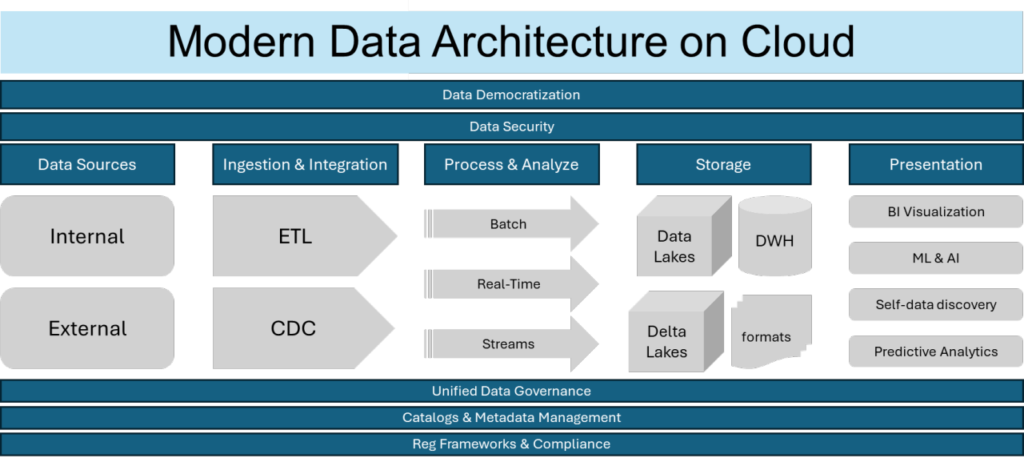
There are only a handful of big businesses that are purely cloud-based. Most Australian enterprise organizations are a mix of both. While the legacy systems remain on-premises for reasons such as latency, cost, and regulation, new workloads that are running in cloud regions.Systems for cloud backup recovery need to be the bridge between the two worlds. Recovery should be done without the need for people to swap consoles or re-learn workflows during an incident. Cognitive load should be low when the systems are down, after all.
The best enterprise cloud backup solutions support a common view of the entire environment. The team members can know what data is backed up, where the data is, and how fast the data can be restored, no matter where it is located.
Backup and Recovery Is a Business Conversation
Technical metrics don’t mean much to executives during an outage. What matters is impact. Lost transactions. Missed deadlines. Regulatory exposure.
Strong backup and recovery strategies translate technical recovery objectives into business outcomes. In regulated Australian industries like finance and healthcare, this translation is essential. Recovery priorities must align with legal and operational realities.
Not every system needs instant recovery. But the ones that do should never be debated during a crisis.
Enterprise Backup and Recovery Solutions Must Keep Up with Change
Many companies made investments in recovery tools some years back and have not changed their mind since. On the other hand, the environments have rapidly evolved. The cloud adoption has been fast-tracked. The volume of data has exploded. The threats have become more sophisticated.If enterprise backup and recovery solutions are not following the path of change, their relevance will slowly diminish. They look like they work until the very moment when an unsuspected problem reveals their hidden gaps.
Conducting regular reviews has become non-negotiable. It is part of organizational hygiene now.
AI-Driven Disaster Recovery Tools in Real Use
AI-based disaster recovery tools cannot be compared to human engineers. Through recognition of patterns and issuing warnings in the earliest possible time, they confirm their value.They are capable of spotting strange activities related to backup, foreseeing storage running out and notifying risks before they turn into outages. Enterprises managing thousands of workloads where the noise and fatigue are significant can find great relief in having such foresight.
The work of AI in data backup automation is most efficient when it is a background actor, silently helping to make better decisions rather than gaining popularity.
Data Protection and Sovereignty in Australia

Enterprise data protection software is carrying even more of a burden than ever before. Encryption, retention, auditability, and access controls should be present not only during normal operations but also in recovery events.Data sovereignty backup solutions are especially important in Australia, where data residency requirements apply across government, healthcare, and critical infrastructure. Backup copies stored in the wrong region can create compliance issues, even if production systems remain local.
Recent enterprise backup trends in Australia show increased demand for in-country storage, clearer audit trails, and recovery designs that account for jurisdiction from the start.
Cyber-Resilience Has Changed the Meaning of Recovery
Recovery is no longer just about restoring availability. It’s about restoring safely.
Cyber-resilience and recovery platforms integrate threat detection with backup systems. They isolate infected data, verify clean restore points, and prevent reinfection during recovery.For enterprises facing ransomware risks, especially those operating across multiple Australian states and regions, this layered approach has become essential.
Continuous Protection and Immutable Backups
Continuous data protection tools keep data loss to a minimum by capturing changes almost in real-time. When they are used together with immutable backup solutions, these two technologies provide strong protection against tampering.Immutable backups are the ones that can neither be changed nor deleted even by administrators. This makes them a vital part of enterprise ransomware protection backup strategies.
While attackers may disrupt the organization’s operations, they are not allowed to change the locked history.
Predictive Recovery Analytics and What Comes Next
Predictive recovery analytics takes the organization one step further from simply reacting to incidents. It allows the organization to anticipate the issues.
The problems need not be discovered during the outages as the results of analytics are that the teams are able to detect the risks weeks in advance.The next wave disaster recovery solutions are geared towards reduction of the unknown. They bring out the trends, pinpoint the weak spots, and empower the teams to act even without the necessity of recovery in the first place.
Thus, it leads to the shortening of the downtime even more than any technology can do silently.
Orchestration and Scale in Enterprise Restores
Backup orchestration automation helps in the coordination of complicated effective restores across even the applications and dependencies. The risk of system failure re-occurrence is there, in case the teams come to restore the systems in an improper order, which can only happen if the orchestration is missing.With scalable enterprise restore systems, the recovery operation may be done in parallel without causing the premises to be overwhelmed by it. It is important in such big environments where there is a possibility of having to restore dozens or hundreds of systems at one time.
Recovery at scale is about flow, not speed alone.
Hybrid Recovery Is Still the Hardest Part
Enterprise recovery in hybrid environments is not without pain points. Limitations of the network, identity mismatches, and latency are all things that are noticed when there are large restores.
Most likely, success goes to those organizations that test their scenarios in reality. These realistic scenarios are not perfect but are full of stress. When recovery planning is ignoring these aspects, it hardly ever holds up.
Looking Ahead to 2026
Talks of the best enterprise recovery systems 2026 refrain from features and focus more on results. Faster verification. Better ransomware resilience. Lower operational burden.
Buyers want systems that fade into the background and work when needed.
What Enterprise Recovery Case Studies Keep Showing
Across industries, the same lesson appears again and again. Successful recoveries are uneventful. Planned. Almost boring.
Failed recoveries usually stem from assumptions that were never tested.
The difference isn’t technology. It’s preparation.
FAQs
What are enterprise recovery systems?
They are orchestrated tools and procedures to enable organizations to get back their systems, data and business operations after failures or security breaches.
How often should recovery plans be reviewed?
At a minimum, once a year and also when there are significant infrastructure changes or the regulations change.
Are cloud backups sufficient for Australian enterprises?
In most cases no. There is a need for hybrid strategies to meet both performance and data sovereignty requirements.
What is the significance of immutable backups?
Their main function is to make it impossible for backup data to be changed or removed even during a ransomware attack.
Does AI substitute recovery teams?
AI is a partner for teams helping with better visibility, quicker prediction and response rather than a substitute.