
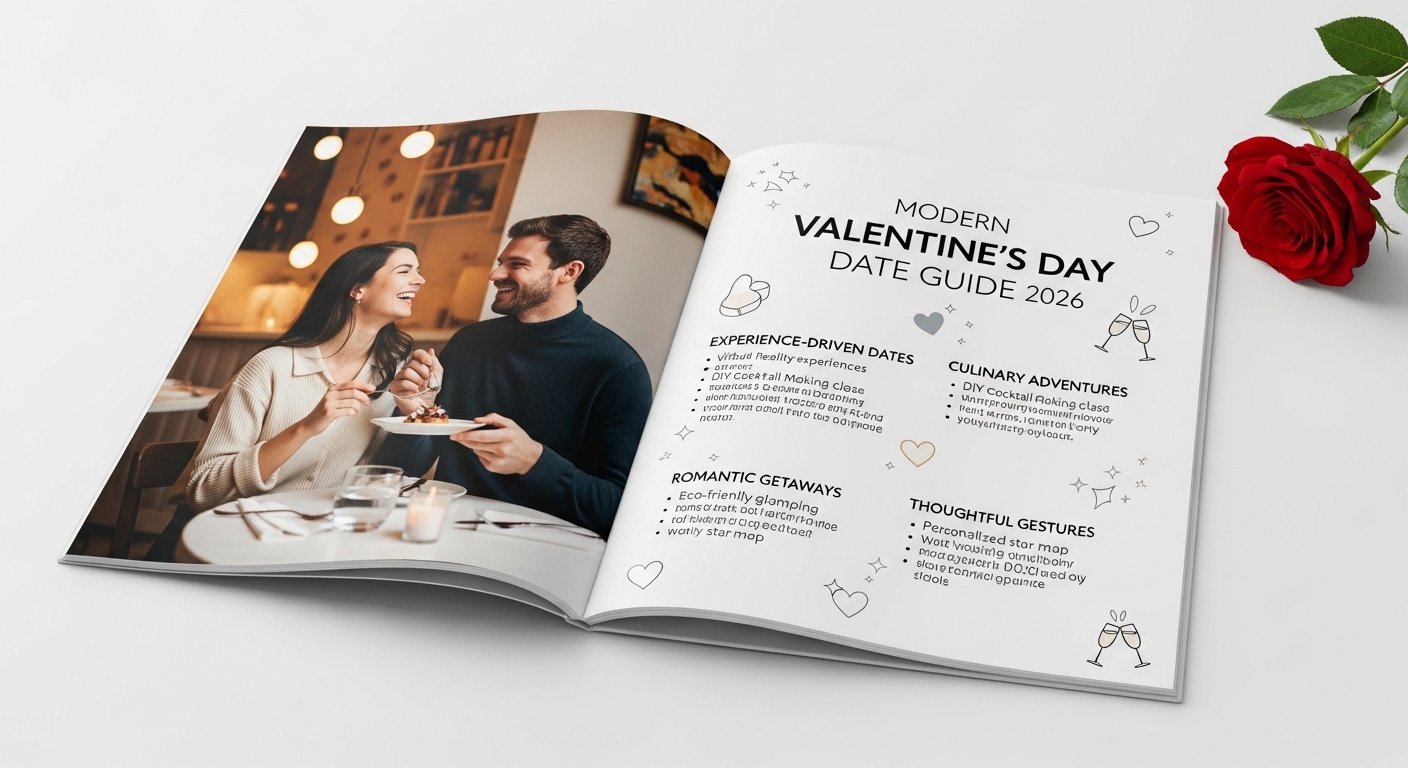
Most people don’t realize how emotionally loaded a valentines day date can feel until it’s right in front of them. It isn’t just about dinner plans or gifts. It’s about expectations, unspoken hopes, past memories, and sometimes quiet fear of disappointing someone you care about.Some people feel excited weeks in advance. Others feel oddly anxious. And many feel both at the same time. That mix is what makes Valentine’s Day so powerful and so complicated.
A valentines day date refers to how people choose to spend Valentine’s Day, traditionally observed on 14 February, with someone meaningful. It may involve dinner, conversation, gifts, or quiet time together. More than the activity itself, it reflects emotional connection, communication, and personal expectations. When approached thoughtfully, it becomes less about performance and more about shared presence.
What is a Valentine’s Day date?
It is any intentional way of spending Valentine’s Day with someone important.
Is Valentine’s Day worth celebrating?
For many people, yes. For others, it depends on personal meaning.
How does a Valentine’s Day date usually work?
It works best when both people communicate expectations clearly.
Why February 14 Is Still So Special a Day
It is common for people to ask what day Valentine’s Day is even though most people already know it falls on 14 February. That question alone reveals how deeply the date resonates emotionally. It is not just another event on the calendar—it signifies a cultural moment where love is made visible, especially during Valentine Week celebrations. Across Australia, from Sydney’s Harbour cruises and Melbourne’s riverside restaurants to Brisbane’s rooftop cafés and Perth’s beachside dinners, Valentine’s Day is closely linked with romance, emotional security, and reflection. For many couples, it feels like an annual review meeting—a moment to ask, “Are we still choosing each other?” Even those who claim not to care often notice the quiet passing of the day, which shows how meaningful it remains nationwide.
How Valentine’s Day Became a Relationship Yardstick

Over time, Valentine’s Day has turned into an informal relationship test, largely shaped by media, advertising, and social platforms. People began comparing gifts, dinners, and photos as visible signs of affection. This created pressure, especially for couples who prefer expressing love quietly. The issue is not the day itself, but when people allow outside expectations to define their relationships. Love becomes performative instead of personal, which can weaken genuine emotional connection.
When Valentine’s Day Displays the Two Sides of a Relationship
Real relationships are not like movies. People get tired, work late, forget things, and feel stressed. Valentine’s Day is part of real life, not a fantasy scene. Many date nights are imperfect—reservations get delayed, plans change, and conversations feel awkward. However, these moments do not signal failure. Often, the most meaningful memories come from imperfection, such as laughing over burnt food or taking an unexpected walk. These experiences feel more real than staged perfection.
What Flowers and Gifts Really Say
Flowers and gifts remain popular Valentine’s traditions, especially roses that symbolize love and passion. However, their impact depends on thoughtfulness. Some people love flowers, while others prefer experiences, handwritten notes, or quality time. What matters is intention, not price. The same applies to presents. An expensive gift does not automatically show love, but a thoughtful one reflects emotional awareness. When gifts are chosen with care, they feel like expressions of love rather than obligations.
The Emotional Load of Saying “Happy Valentine’s Day”
The phrase “Happy Valentine’s Day” seems simple, yet it carries deep emotional meaning. A rushed message feels very different from one sent with care. Timing also matters—a thoughtful morning text often feels more meaningful than a late-night message. The words do not need to be poetic, but they must be sincere. Drawing inspiration from creative writing prompts can help people express their feelings more honestly and thoughtfully. Honesty and emotional presence are more powerful than rehearsed romantic lines.
Technology’s Impact on the Way Couples Celebrate Valentine’s Day
Technology has quietly reshaped how couples celebrate. Text messages replace phone calls, shared calendars replace handwritten notes, and apps help coordinate plans. Platforms like Kuikwit.com allow couples to gather conversations in one place, making organization easier. For busy professionals, this reduces stress and confusion. When communication is clear and organized, emotional stability increases, allowing couples to focus more on connection than logistics.
What People Don’t Usually Tell You About Valentine’s Day
Many people experience loneliness, pressure, or insecurity on Valentine’s Day, even those in relationships. Singles may feel excluded, while couples feel judged. Some pretend not to care, while others exaggerate their excitement. These emotional struggles are rarely discussed openly. Recognizing this complexity makes the celebration healthier and more compassionate. Love does not need to be displayed publicly to be real.
Stories of Valentine’s Day
Real-life Valentine’s stories show that meaningful moments are often simple, and this has been true throughout history. Long before social media and expensive gifts, couples expressed love through handwritten letters, shared meals, and quiet conversations. In the past, especially during the 18th and 19th centuries, Valentine’s Day was mainly about exchanging heartfelt notes and poems rather than material presents. Today, some couples still cook together instead of dining out, while others exchange handwritten letters that become lifelong keepsakes. Long-distance couples stay connected through shared music and planning tools like Kuikwit.com, continuing the tradition of staying emotionally close despite physical distance. Some couples simply walk and talk without taking photos, just as lovers once did in parks and quiet streets. These moments reflect authenticity and emotional alignment rather than social approval, showing that true Valentine’s stories have always been about genuine connection, not public display.
Potential Problems Couples Face on Valentine’s Day
Communication failure is the main reason many couples struggle during Valentine’s Day. They make assumptions, avoid direct conversations, and hope expectations will be met automatically. Some overplan and feel exhausted, while others underplan and appear careless. Some focus on appearance rather than connection. Most disappointments result from silence. Honest communication can prevent nearly all misunderstandings.
Valentine’s Day, Anniversaries, and Birthdays

Anniversaries celebrate shared history. Birthdays focus on individuals. Valentine’s Day focuses on love itself. This makes it symbolic rather than personal, much like meaningful wedding anniversary wishes that honor relationships over grand expectations. Problems arise when people treat it like a personal milestone and attach unrealistic pressure. When Valentine’s Day is understood as a general celebration of love, it becomes more enjoyable and less stressful.
Stress-Free Planning with Kuikwit and Similar Services
Modern life involves balancing work, family, and social responsibilities, making planning difficult—especially in busy Australian cities like Sydney, Melbourne, Brisbane, and Perth, where long commutes and demanding work schedules are part of daily life. Between office meetings, school routines, and social commitments, finding time to plan meaningful moments can feel overwhelming. Kuikwit.com helps by organizing communication, reminders, and coordination in one place. Instead of searching through scattered messages across different apps, couples can manage everything efficiently from a single platform. This prevents last-minute problems such as missed reservations or forgotten plans and reduces emotional pressure. With less stress and better organization, couples are able to be more emotionally present and enjoy quality time together, whether it’s a beach date on the Gold Coast, a café visit in Melbourne, or a quiet dinner in Canberra.
Renouncing Traditional Romance for Different Love Celebrations
Valentine’s Day is not only for couples. Many people celebrate with friends, family, or themselves. These choices are valid and meaningful. Love includes friendship, self-respect, and community. A meaningful celebration does not require candles or flowers—it requires intention and emotional awareness. Redefining romance makes the day more inclusive and authentic.
How to Rethink Valentine’s Day: Your Own Way
Every couple eventually learns that copying others does not create happiness. Some shift the date, some skip gifts, some write letters, and others keep things simple. What matters is consistency rather than intensity. Small, regular gestures create deeper emotional bonds than occasional grand displays. Creating personal traditions makes Valentine’s Day more meaningful and sustainable.
Traditional vs Modern Valentine’s Day Dates
| Aspect | Traditional | Modern |
|---|---|---|
| Planning | Fixed | Flexible |
| Gifts | Standard | Personalized |
| Location | Restaurant | Anywhere |
| Focus | Appearance | Connection |
| Pressure | High | Moderate |
This shift reflects changing values.
How Relationships Evolve Beyond One Day a Year
Love isn’t proven in one evening. It’s built in daily habits. Listening. Supporting. Showing up.Valentine’s Day becomes meaningful only when it reflects everyday care. Without that foundation, it feels empty.When relationships mature, the day becomes softer. Less performance. More presence.
Full FAQ Section
When is Valentine’s Day celebrated?
Every year on 14 February.
Are flowers necessary on Valentine’s Day?
Only if they matter to your partner.
Is it okay to skip Valentine’s Day?
Yes, if both partners agree.
Do long-distance couples celebrate differently?
Often yes, using digital tools and shared activities.
Is Valentine’s Day only about romance?
No, many celebrate friendships and self-love.
Why does Valentine’s Day feel stressful?
Because of social comparison and expectations.
Can technology improve Valentine’s planning?
Yes, especially centralized tools like Kuikwit.
What matters most on Valentine’s Day?
Presence, honesty, and understanding.
Valentine’s Day never fits perfectly into real life. And maybe that’s okay.
Some years it feels warm. Other years forgettable. Sometimes awkward. Sometimes calm.
What stays is how people show up.
Quietly.
Honestly.
Not perfect.
Just real.
And most of the time, that’s enough.