AI and automation are no longer ideas sitting in whitepapers or future roadmaps. They’re already woven into how businesses operate, how decisions get made, and how work quietly shifts behind the scenes. Most of the time, you don’t even notice it happening. A system updates itself. A task disappears from your to-do list. Something that once took hours now takes minutes. That’s the real story here.
What People Actually Mean When They Say “Define Automation”
When people ask to define automation, they often picture machines replacing humans. That image is outdated. Automation, at its core, is about creating systems that handle repeatable tasks without constant human input. It’s not about removing people. It’s about removing friction.
In practice, automation shows up as workflows, rules, triggers, and processes that quietly run in the background. Invoices get sent automatically. Data syncs between systems. Reports generate themselves overnight. None of this is dramatic, but all of it changes how work feels day to day.
Automation and AI: Why the Combination Matters
Automation on its own follows rules. AI introduces judgment, pattern recognition, and learning. When automation and AI come together, systems don’t just execute tasks; they adapt. They notice anomalies. They suggest improvements.
This is where ai automated processes start to feel different. Instead of rigid workflows, you get flexible systems. A customer support platform adjusts routing based on sentiment. A supply chain tool predicts delays before they happen. The work still flows, but it flows smarter.
AI and Process Automation in Real Business Settings
AI and process automation shine brightest in areas people rarely romanticize. Back offices. Operations. Compliance. These are places filled with repetitive checks and approvals. An AI-driven process can validate data, flag inconsistencies, and route exceptions to humans only when necessary—freeing people to rely more on judgment, communication, and other core employability skills instead of chasing missing information. The result isn’t job loss. It’s fewer interruptions. Fewer mistakes. Less burnout. People focus on decisions instead of paperwork.
Marketing Automation and AI Changing How Brands Communicate
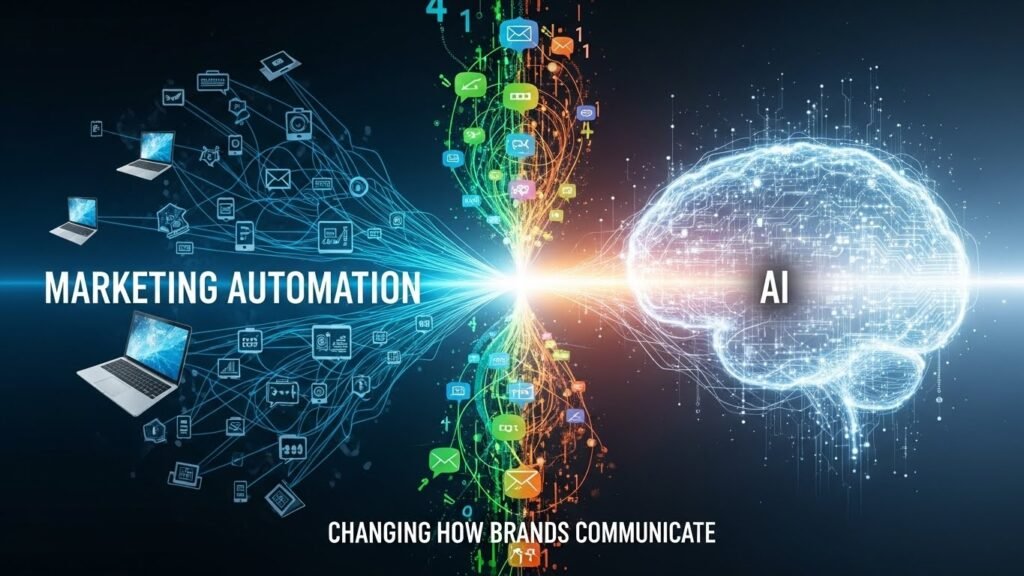
Marketing used to rely heavily on intuition and timing guesses. Campaigns respond to behavior instead of schedules. Messages adjust based on engagement instead of assumptions.AI and marketing automation allow businesses to send fewer messages that matter more. Content personalization improves. Lead scoring becomes dynamic. Timing feels natural instead of forced. It’s not louder marketing. It’s quieter, more relevant communication.
AI Powered Tools Don’t Announce Themselves
Most ai powered systems don’t look futuristic. They look like dashboards. Checkboxes. Background processes you barely think about.
That’s intentional. Good automation blends into routine. When it works, it doesn’t demand attention. When it fails, you notice immediately. The goal isn’t to impress users. It’s to reduce cognitive load so people can focus on meaningful work.
AI for Automation Inside Daily Workflows
AI for automation often starts small. A document classifier. An email triage system. A scheduling assistant. These aren’t headline features, but they stack up.Over time, teams realize entire chunks of work no longer exist. Meetings get shorter. Follow-ups reduce. Errors decline. The workflow becomes smoother without anyone declaring a “digital transformation” milestone.
AI Driven Decision Support Feels Subtle but Powerful
AI and process automation shine brightest in areas people rarely romanticize. Back offices. Operations. AI driven systems don’t replace decision-makers. They reshape how decisions are prepared. Data comes cleaner. Patterns surface faster. Scenarios become easier to compare. This is especially visible in finance, operations, and logistics, where digital transformation support helps teams move from reacting to reports toward responding to signals. The decision still belongs to humans, but the fog lifts sooner.
AI Business Context Validation Medium Explained Simply
The idea of ai business context validation medium sounds complex, but it’s not mystical. It’s about ensuring AI systems understand the environment they operate in.Context matters. A flagged transaction isn’t always fraud. A delayed shipment isn’t always failure. AI models that validate context reduce false alarms and unnecessary escalations. That’s where trust builds—slowly, quietly, but meaningfully.
Lab Automation News Shows Where Precision Matters
Lab automation news often highlights breakthroughs in speed and accuracy. AI automated systems in labs handle repetitive pipetting, sample tracking, and quality checks.
What changes isn’t just efficiency. It’s consistency. Human error drops. Data reliability improves. Scientists spend more time analyzing results instead of managing processes. The science doesn’t rush. It steadies.
Robotics Lab Automation News and the Human Factor
Robotics lab automation news sometimes triggers fears of machines replacing expertise. In reality, robotics amplify it.
Robots handle physical precision. Humans handle interpretation. Together, they reduce fatigue and increase throughput. The lab becomes safer, calmer, and more predictable.
AI Automation Services and the Temptation to Overbuild
AI automation services often promise sweeping change. The danger lies in automating chaos.
Successful teams automate stable processes first. They don’t start with everything. They start with what’s already working and remove friction piece by piece. Automation doesn’t fix broken systems. It exposes them.
Where AI Automated Systems Still Struggle
Despite progress, AI automated systems aren’t perfect. Edge cases confuse them. Poor data weakens them. Bias creeps in quietly.
This is why human oversight remains essential. Automation handles volume. Humans handle nuance. When both respect their limits, systems perform better.
A Simple Snapshot of Automation Impact
| Area | Before Automation | After AI Integration |
|---|---|---|
| Data Entry | Manual, error-prone | Automated, validated |
| Customer Support | Reactive | Predictive |
| Marketing | Broad messaging | Personalized |
| Operations | Delayed insights | Real-time signals |
The shift isn’t flashy. It’s structural.
Why AI and Automation Feel Unsettling at First
Change always feels personal before it feels practical. People worry about relevance. About skills. About control.
What usually happens instead is role evolution. Less repetition. More interpretation. New responsibilities appear. Old frustrations fade. It doesn’t happen overnight, but it happens steadily.
What Happens When Automation Is Done Poorly
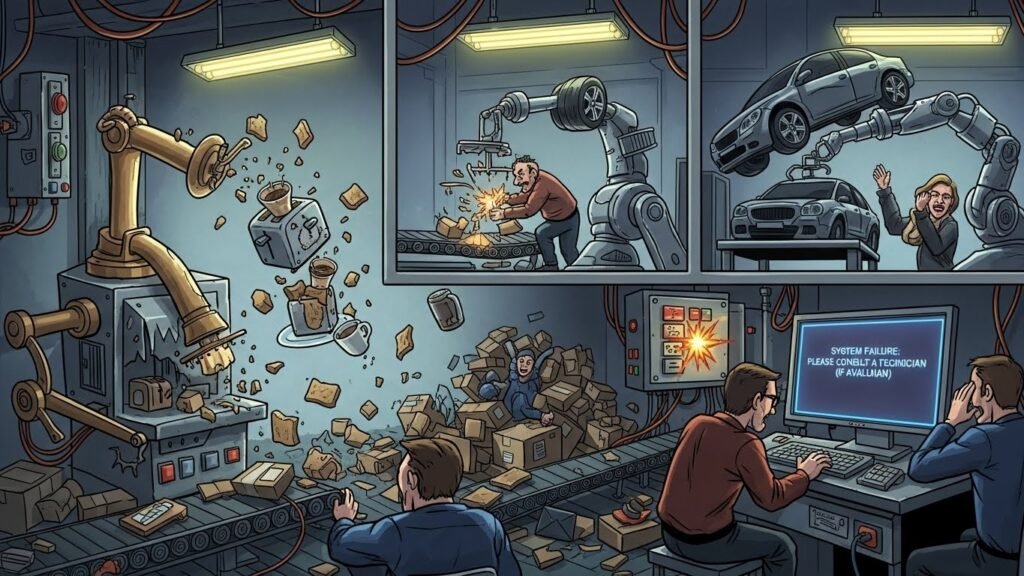
Bad automation adds steps instead of removing them. It creates alerts nobody trusts. It forces people to work around systems instead of with them.
That’s why successful automation projects feel boring. They don’t demand attention. They quietly support work without getting in the way.
The Long View of AI and Automation
Over time, ai and automation reshape expectations more than workflows. Response times shrink. Accuracy becomes assumed. Manual effort feels outdated.
The bar rises without announcements. Businesses that adapt early feel calm later. Those that resist scramble when change becomes unavoidable.
Letting It Taper Off
AI won’t suddenly “arrive.” Automation won’t finish rolling out. This isn’t a destination. It’s a gradual shift in how work feels.
Some days it saves minutes. Some days it prevents mistakes you’ll never know about. And slowly, quietly, it changes what people expect from systems—and from work itself.
FAQs — People Also Ask
What is the difference between AI and automation?
Automation follows predefined rules, while AI can learn, adapt, and make predictions based on data patterns.
Can small businesses benefit from AI automation services?
Yes. Even simple automation reduces workload and errors, especially in marketing, support, and operations.
Does AI and automation replace jobs?
It usually reshapes jobs rather than removing them, shifting focus from repetitive tasks to higher-value work.
Is marketing automation and AI expensive to implement?
Costs vary, but many tools are scalable and affordable, especially cloud-based platforms.
Where should a business start with AI for automation?
Start with stable, repetitive processes that already work, then expand gradually as confidence grows.