
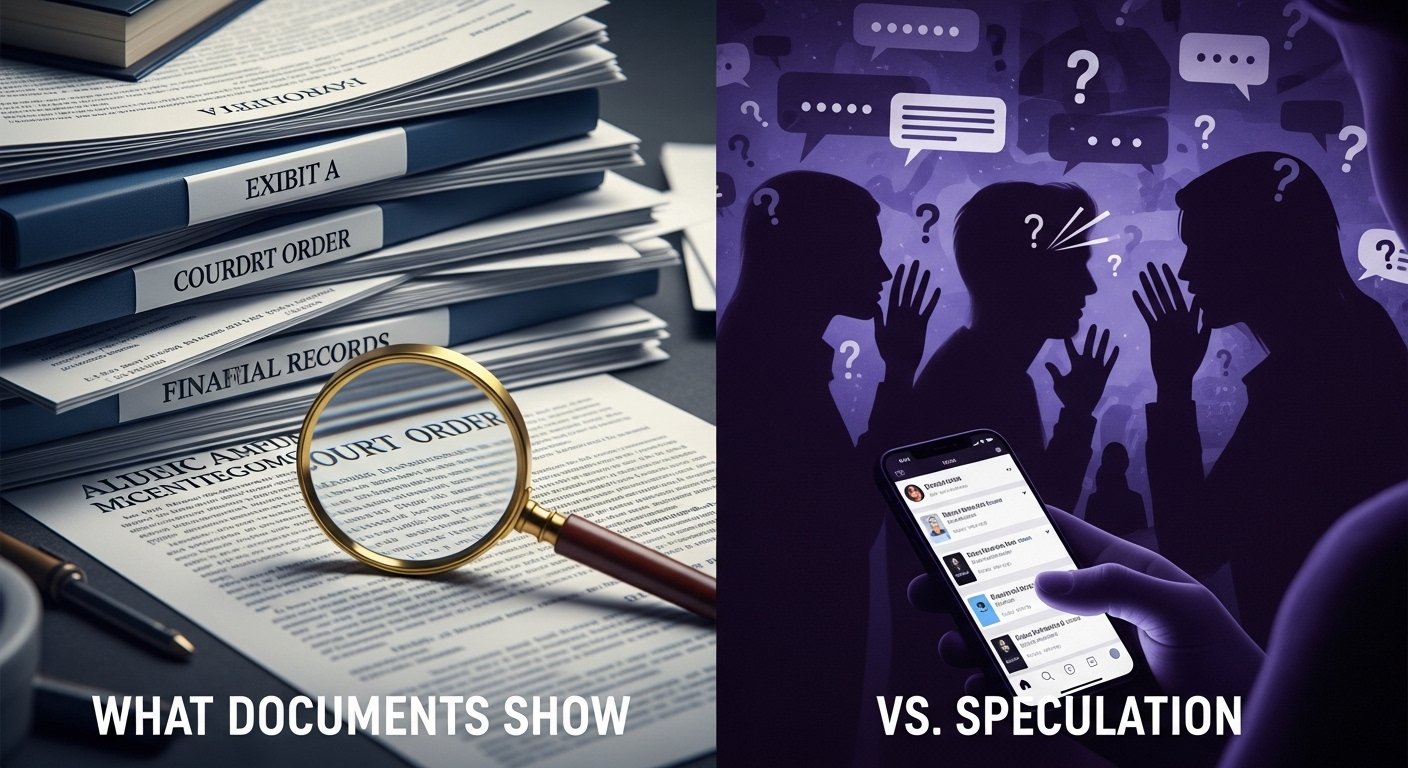
The term “epstein files” is one of the most talked about topics online with very varied connotations. It seems like a third leaked document to some people. Others view it as a metaphor of all that was left undone in a powerful criminal case dispute. The truth is a messier combination of both.
Going into the matter deeply, this particularly matters as people who read don’t only crave drama. They want clarity. And to be honest, most coverage doesn’t cover that part.
What are the epstein files?
They aren’t one single file. The phrase most often refers to a combination of court records, unsealed documents, depositions, and reporting related to Jeffrey Epstein’s criminal cases and civil litigations.
Are they a proven evidence of crimes for everyone named?
No. The mere presence of names in the documents doesn’t imply guilt. Many usages are only contextual, disputed, or unproven.
Why do people still keep talking about these?
Because at its core, the case touches on some of the most sensitive issues of wealth, politics, media silence, and power. It’s those stories that don’t just disappear.
Understanding Jeffrey Epstein as a Public Case
Jeffrey Epstein wasn’t famous merely for his finances. On the contrary, he became notorious for the very fact that he was able to continue for a long time without being held responsible. In circles of the social elite, he was a familiar presence while major allegations were following him very quietly. It is that very paradox which keeps the story alive.
The case is not just about one individual. It talks about the reaction of corporations when influence is involved. At times, prosecutors failed to act decisively. Arrangements were made secretly. Victims were pushed aside. Documents nowadays are mostly used to find proof of system failure instead of just crime details.
Here is where many blogs break the line. They prey on surprise rather than rationality.
Epstein Island and the Myth Versus the Record

Epstein Island, or Little Saint James, might have become a myth on the internet. Think of it as a single location represented as an answer to every question on the subject. But practically, it was just one of his several properties. Yes, it was important. No, it did not reveal everything. According to court documents and testimonies, the island attracted allegations of abuse by multiple accusers. That is indeed serious. However, it also means limited in scope. Not all conversations happened on the island. Not all names associated with Epstein were ever there — similar to how major global events, including large-scale data breach incidents, often get simplified online into a single narrative even when the reality is more complex.
It became a symbol since it is something people feel very directly. People are inclined towards the tangible. They want something they can literally point at. Therefore, it isn’t the complete story.
The Epstein List and Why That Phrase Is Misleading
The term “epstein list” is one of the most confusing parts of this topic. There is no official “master list” confirming accomplices. What people have are names scattered across flight logs, address books, emails, and depositions.Some individuals are named in only one document, some multiple times. Some connected with allegations. Others briefly mentioned. This difference matters. Unfortunately, in viral summaries, it is often ignored.Along with document unsealing, many readers assumed revelation equals guilt. That’s not how courts operate. Journalists know this. Bloggers sometimes forget it.
The right writing separates mention from accusation.
Jeffrey Epstein Before 2019 — How the Pattern Formed
Trump Epstein Emails and What Reporting Actually Shows
Search interest around Trump Epstein emails tends to spike whenever new court documents or records are mentioned in the news. What reporting actually shows, though, is far more limited than the headlines often imply. Investigative coverage has pointed to a small number of social interactions between Donald Trump and Jeffrey Epstein in the 1990s and early 2000s, when Epstein was moving within wealthy social circles. These interactions appear to have been casual and short-lived, with no evidence of a close or ongoing relationship after Epstein’s legal troubles became public.
Crucially, no court or investigation has established criminal involvement by Trump in Epstein’s crimes. That distinction often gets blurred online, where photos or fragments of communication are treated as proof rather than context. Proximity is not guilt, and documents alone don’t tell a full story without legal findings to support them. Responsible blogging keeps those lines clear. It separates what records actually confirm from what they merely suggest, and it signals where speculation starts to replace evidence.

Full FAQ Section
What exactly do people mean when they say “epstein files”?
Usually a collection of unsealed court documents, depositions, and records connected to Epstein-related cases, not a single document.
Is there a confirmed list of Epstein’s clients?
No confirmed list exists. Claims of a definitive list are misleading.
Were powerful people charged because of these documents?
So far, no widespread criminal charges have resulted solely from document releases.
Why were some records sealed for years?
To protect victims, ongoing investigations, and due process.
Can names appear in court documents without wrongdoing?
Yes. Mention does not equal accusation or guilt.
Why does public interest keep resurfacing?
Because the case highlights gaps between power, justice, and accountability.
The Epstein story doesn’t wrap itself neatly. It resists clean endings and simple summaries. Maybe that’s why people keep searching, rereading, re-arguing. Not because there’s one last secret left, but because the discomfort never fully goes away.
And it probably won’t.