The eradication of polio is one of those global objectives that, on the one hand, it seems very close, but on the other hand, it is so far that it is very annoying. The scientific basis has been right for years, yet the virus still exists in a few small remaining areas. And those small areas are even more significant than the number of cases would indicate.
Understanding What the World Lost Due to Polio
Before the advent of vaccines, polio was neither a rare nor a distant disease. It was a common fear. Each summer, parents worried about outbreaks, hospitals were filled with children who were put on ventilators. For many, survival meant coping with paralysis, which was a physical and social one.
At the beginning, the disease did not take into account the condition of wealthy or poor. It was spread quickly, quietly, and without any notification. The fear that everyone shared is what drove the countries to work together to find a solution even before the concept of “global health” became popular.
How Was Polio Eradicated in Most of the World?
The commonly heard answer to the question how was polio eradicated essentially revolves around the fact that vaccines were the most powerful tool. In addition, concerted efforts including coordination, tracking, and the political will of the different countries that followed-up, resulted in the total elimination of the virus.
Developed countries cut off the transmission by using regular immunization and carrying out surveillance. When immunity attained the necessary level, the virus was simply left without hosts. It was not a spectacular event. It was a logical and well-organized process. And, it was successful.
The Global Polio Eradication Initiative and Its Long Shadow

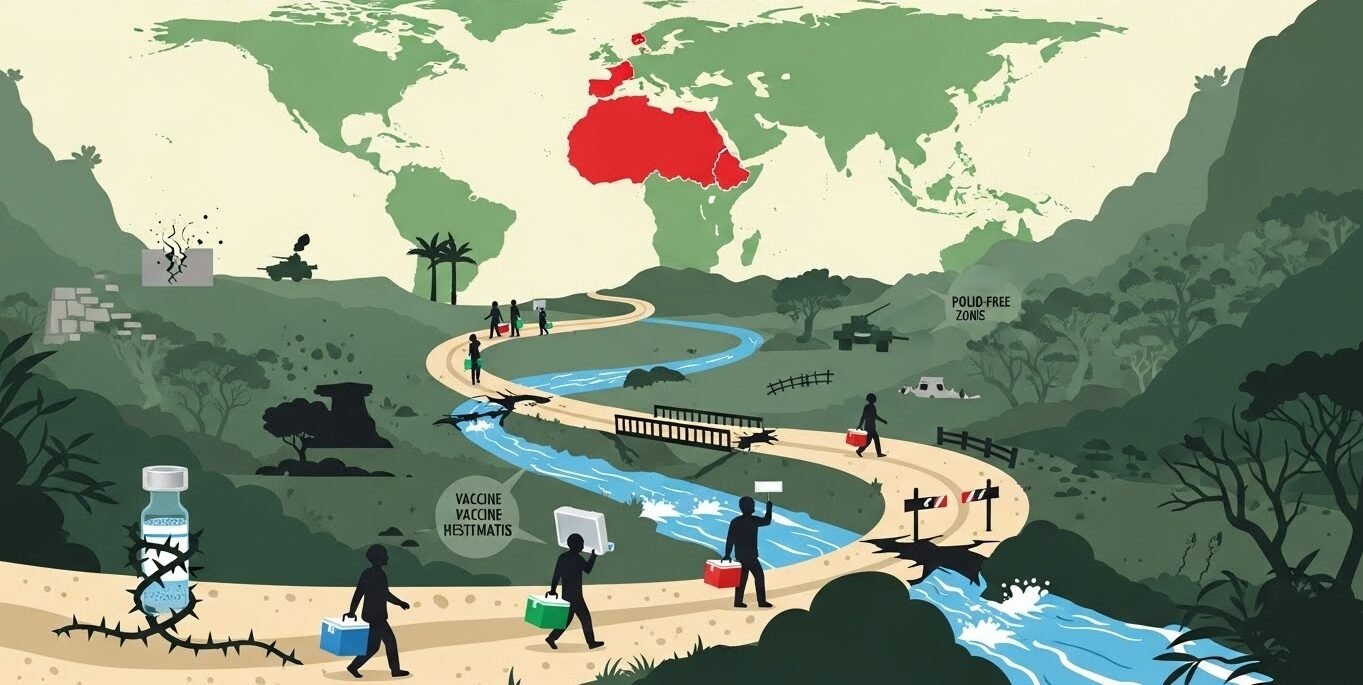
The Global Polio Eradication Initiative set out with high hopes and a grand goal in 1988. Polio in all parts of the world was to be wiped out completely. It was not meant to just cut down the number of cases or keep the disease under control. At that point in time, polio was a problem in more than 125 countries. Since then, the number of cases has reduced by more than 99%. That figure might sound definitive, yet it is not. The tiny parabola that is left has proved to be extremely stubborn. Factors like location, war, lack of trust, and misinformation—similar to the uncertainty people often have around how infections actually spread—have all contributed to the days of the last push.
Why Pakistan Became Central to the Conversation
Nowadays, any talk about the elimination of polio inevitably ends up referring to Pakistan. This is due to the fact that the world has almost reached zero polio everywhere else, and thus the only challenge is more visible. When basically the whole world is polio-free, every case that remains becomes significant.The state of Pakistan is not related to the question of whether there is a vaccine or not. Instead, it is about factors such as access, trust, security, and freedom of movement. The virus is kept in places that are complicated, not ignorant ones.
Inside the Pakistan Polio Eradication Program
Few outsiders completely understand just how big the Pakistan polio eradication program really is. Vaccinating millions of children several times over. House-to-house initiative. Maintaining a cold chain in difficult terrain. Collecting data in real-time even in the most isolated areas—often coordinated through broader public health systems and departments that rarely get public attention. Campaigns have continued despite the fact that workers have had to endure attacks, were rejected socially, and have been worn out. The reason why there is no break is because it is impossible to disconnect. One neglected area can lead to a relapse of the disease after years of advancement.
Pakistan Polio Eradication Programme and Public Trust
The pakistan polio eradication programme figured out quite early that the administration of vaccines is not an adequate measure on its own. Trust regulates the extent of the program’s rollout. Children and adults alike are not in the habit of opening their house doors to phials; they open their house doors only to those whom they trust.
At the heart of the whole structure are local health workers who in most cases are women and come from the same neighborhoods. Having seen and known the same persons brought down the level of fear. Engagements were as vital as the administration of the vaccine. The results were not gotten through threats but rather trust.
Polio Eradication Programme in Pakistan and Regional Mobility
One of the bitter truths which the polio eradication programme in pakistan has to deal with is the issue of movement. For whatever reason, people move across borders be it for work, trade, or survival. The virus accompanies the people that it finds. Immunity gaps don’t care whether there are checkpoints or not.
That is the reason that measures taken jointly at the borders with the adjacent regions are of such significance. Carrying out campaigns at the same time is not a matter of political courtesy. It is a matter of epidemiological necessity.
How to Eradicate Polio in Pakistan Without Oversimplifying It
The common assumption is that most of the solutions to the problem of polio in Pakistan lie in technical fixes. More vaccines, More money. More campaigns. The reality, however, is very different. The main obstacles are outside the vial.
Countering anti-vaxx myths. Ensuring the safety of the frontline workers. The integration of the polio services with general healthcare facilities. When families notice that the health care system appears only for polio, they develop suspicion that can turn into resistance. However, consistent care implies resistance eventually softens.
The Role of Misinformation and Fatigue
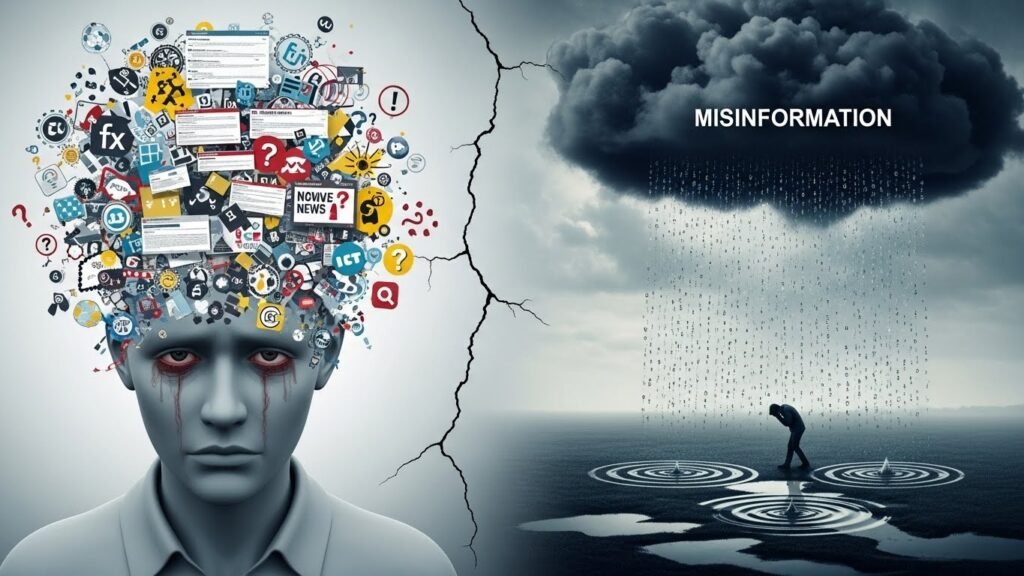
Constant campaigns for years create tiredness. Parents keep on wondering why the drops are being administered again and again. When there is a lack of sufficient explanation, it is rumors that fill the void. Social networking sites have the power to amplify the spread of fear more rapidly than the speed of the arrival of facts.
This is not a unique phenomenon exclusive to Pakistan. Vaccine fatigue is something that is experienced globally. However, the context of the situation in fragile countries is such that the effects of fatigue are more serious. Thus, dealing with it requires compassion alone and not merely from the perspective of the correction.
Why the Last Mile Always Costs the Most
In public health, the final phase is rarely efficient. The initial achievements are simple. The last cases are always hidden in the most difficult locations. Places where there is fighting, villages that are far from the city, communities where there is a lot of distrust.
The flip side of economics. The costs per case that is prevented makes a sharp increase. But giving up the last mile will mean that the disease comes back. The past has demonstrated that incompletely successful attempts invite the return of the disease.
Surveillance: The Quiet Backbone of Progress
Vaccination is the one that gets the attention. Surveillance is the one that does the work quietly, really. Environmental sampling. The investigation of a case. Sequencing of genes. These tools allow the identification of the virus even in cases where the symptoms are absent.
In Pakistan, surveillance of wastewater has gained importance. It enables the detection of the virus prior to the occurrence of paralysis and hence allows immediate mitigation. It is an invisible task. But, without it, the campaigns would be like the blind leading the blind.
Lessons the World Keeps Learning from Polio
Polio taught the world health sector how to scale up coordination. How to share data, how to move supplies across borders and How to sustain focus for decades without visible reward.
All these lessons have since been used in the management of other crises such as the COVID-19 pandemic. The facilities that were in place for polio did not cease to exist. They were changed and still remain.
What Happens If Eradication Fails?
In the event that eradication is stalled, the virus will not behave politely. It will go back and infect partially immunized populations. Countries that had gotten rid of polio long ago would have to come back to emergency vaccination again.
Failing to do so will not be something neutral. It will cost a lot, be highly disruptive, and also it will be avoidable. That is why the passion has not diminished which is seen through the ongoing fatigue.
Why Polio Eradication Still Matters to T1 Countries
People in countries such as the US, the UK, Canada, and Australia might look at polio as a thing of the past. Yet, eradication is really a collective insurance. As long as there is a virus somewhere, it will be a threat everywhere.
International travel bridges the physical distance. Immunity gaps keep growing silently. Thus, supporting eradication overseas is a way of protecting one’s home.
A Simple Snapshot of Progress
| Region | Status |
| Americas | Polio-free |
| Europe | Polio-free |
| Africa | Wild polio eliminated |
| Pakistan | Endemic |
| Afghanistan | Endemic |
On the surface, it is a very small table. The manpower and machinery behind it are, however, enormous and world-class.
The Human Side Often Missed in Data
A parent agreeing to let a health worker in the family is the human element behind every number reported. Putting on the armor might be the health worker, but if the risk is physical, then he or she is already there; the question is can one really stay faithful to the profession without committing suicide? What about the child who is in a track for which there is no straight line? Those who get very close to paralyzation and still remain top of youngare the ones who know the highly critical situation but not the closeness of the life threat.
Eradication is not something abstract; It is extremely familiar, intimate and quite frequently it is invisible.
What the Future Likely Looks Like
The virus is cornered. Not defeated yet, but boxed in. Progress will likely be uneven. Advances followed by setbacks. That’s how the last mile usually unfolds.
But momentum matters. So does patience. History suggests persistence eventually wins.
FAQs — People Also Ask
What is polio eradication?
Polio eradication means the global complete and permanent interruption of the transmission of polio virus.
Why does polio still exist in Pakistan?
Because of such things as population movement, misinformation, difficulty in accessing people, and security restrictions.
How was polio eradicated in other countries?
Extremely widespread vaccination together with high-level surveillance, and the presence of public trust were the ways that the problem was solved in countries where it existed.
What is the Global Polio Eradication Initiative?
A global coalition, started in 1988, whose mission is to permanently eradicate polio from the world.
Can polio come back after eradication?
Yes, if vaccination is stopped too soon. Therefore, certification and continuous surveillance are of the essence.