
In 2026, the real luxury isn’t having more gadgets; it’s finally finding a way to make them all shut up for five minutes. Embracing quiet technologies is basically the only way to survive the modern digital noise without losing your absolute mind. Whether you’re trying to ignore a snoring partner or just want a kettle that doesn’t sound like a jet taking off, these specialized tools are designed to work in the background so you can actually hear yourself think.
What is quiet technology?
It is a growing category of design that prioritizes stillness, minimalism, and background operation over loud notifications and high-energy displays. Instead of fighting for your attention with pings and bright lights, these devices are built to help you finish a task and then step away without feeling drained.
Is investing in quiet tech worth it?
Definitely, especially if you value mental clarity and better rest. From noise-canceling sleepwear that helps you wake up restored to appliances that reduce home stress, the return on investment is usually a much calmer daily routine.
How does this technology work?
It usually involves one of two things: clever mechanical engineering (like muffling a motor) or active digital interference. In electronics, it often uses “Active Noise Cancelling” (ANC), which creates an opposing sound wave to neutralize background hums before they ever reach your ears.
The rise of quiet technologies in Australian homes
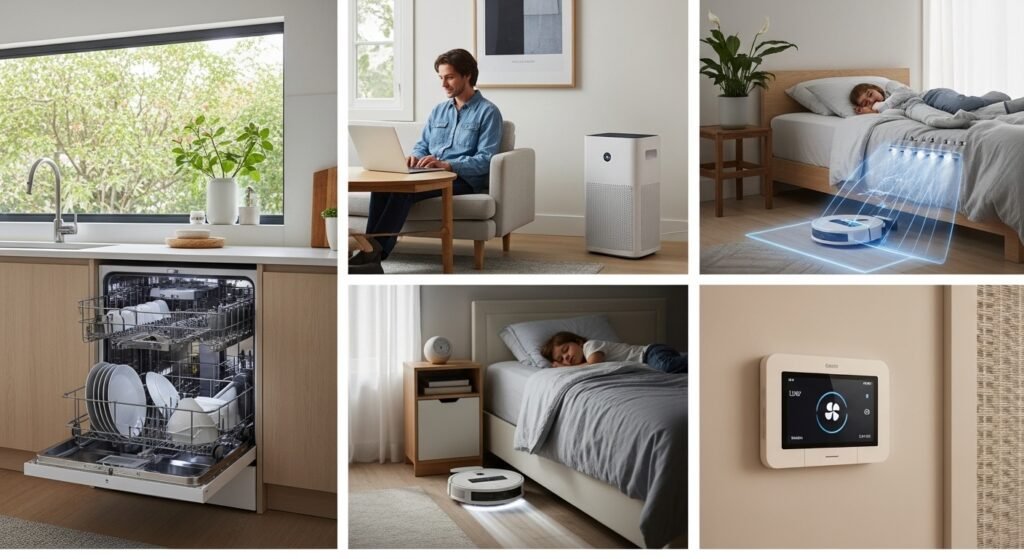
Living in a noisy city like Sydney or Melbourne can really wear you down after a while. We’re seeing a massive shift on thearticlespot.com toward Australians looking for ways to “quiet” their physical environment. It’s not just about turning off your phone; it’s about the machines we live with every day. People are starting to realize that the constant hum of a fridge or the roar of a rangehood is a silent stressor.
What’s interesting is that this shift isn’t happening in isolation. Behind the scenes, innovation from global technology associates and similar industry players is influencing how appliances are engineered, prioritizing acoustic design as much as performance. Australian brands are actually leading the charge here, focusing on engineering that puts peace and quiet at the center of the home experience.
Why quiet technology is the new status symbol
It’s kind of funny how things change. It used to be that the loudest, flashiest tech was the winner, but in 2026, the ultimate status symbol is a lack of noise. If your house is a sanctuary where you can’t hear the neighbors or your own appliances, you’ve basically won the lifestyle game. Quiet technology is moving from a niche feature to a core requirement for anyone building a premium home setup. We want devices that are “invisible”—tools that do their job perfectly without demanding that we acknowledge their existence every five seconds.
Understanding halo quiet technologies for aviation pros
If you spend a lot of time in a cockpit or a high-noise industrial setting, you’ve probably heard of halo quiet technologies. These aren’t your typical chunky, over-ear headphones that clamp your head like a vice. Instead, they use lightweight “tubephone” designs that are incredibly comfortable for long-haul trips. What’s cool is they don’t even need batteries to block out the noise. They rely on superior physical ear inserts that quiet the entire frequency spectrum, making them a favorite for pilots who need crystal-clear communication without the extra weight.
For professionals researching specialized technology resources in aviation and industrial safety, this kind of innovation shows how smart acoustic design can outperform bulkier electronic alternatives.
The science behind quiet boil technology in your kitchen
There’s nothing more annoying than trying to have a conversation in the kitchen while someone is making a cuppa. Traditional kettles are loud because steam bubbles collapse and “pop” against the heating element. Quiet boil technology changes this by using a specialized coating or a diffused heating base to make those bubbles much smaller and less aggressive. It’s a simple fix that makes a world of difference when you’re trying to keep a peaceful vibe in the morning. Many Australian appliance brands are now making this a standard feature because we’re a nation of tea and coffee lovers who hate unnecessary racket.
Why NASA is betting on quiet supersonic technology
The future of travel is fast, but it has to be quiet if it’s ever going to work over land. NASA’s X-59 is the centerpiece of the quiet supersonic technology (QueSST) mission. The problem with old planes like the Concorde was the “sonic boom” that shattered windows and rattled nerves on the ground. This new design reshapes the shockwaves so they don’t all hit at once. Instead of a window-shaking bang, you get a “sonic thump”—something as quiet as a car door closing in the distance. This could finally make supersonic flight legal over populated areas again.
Comparing active vs passive quiet technologies
When you’re browsing thearticlespot.com for gear, you’ll see two main ways things stay quiet. Passive tech is all about physical barriers—think thick foam, heavy insulation, or double-glazed windows. It’s reliable because it doesn’t need power. On the other hand, active tech uses computers and mics to fight back against sound. It listens to the noise and creates a “mirror” sound wave that cancels it out. For constant hums like a plane engine, active is king. But for sudden noises like a dog barking, a good passive seal is often your best bet.
| Technology Type | Best Use Case | Key Benefit |
| Active Noise Cancelling | Travel, Offices, Commuting | Eliminates constant low hums |
| Sound Masking | Sleep, Shared Bedrooms | Drowns out erratic noises |
| Vibration Isolation | Home Gyms, Laundry | Stops noise traveling through floors |
| Aerodynamic Shaping | Aviation, High-Speed Fans | Reduces noise at the source |
Why Australian brands like Ozlo are winning at sleep
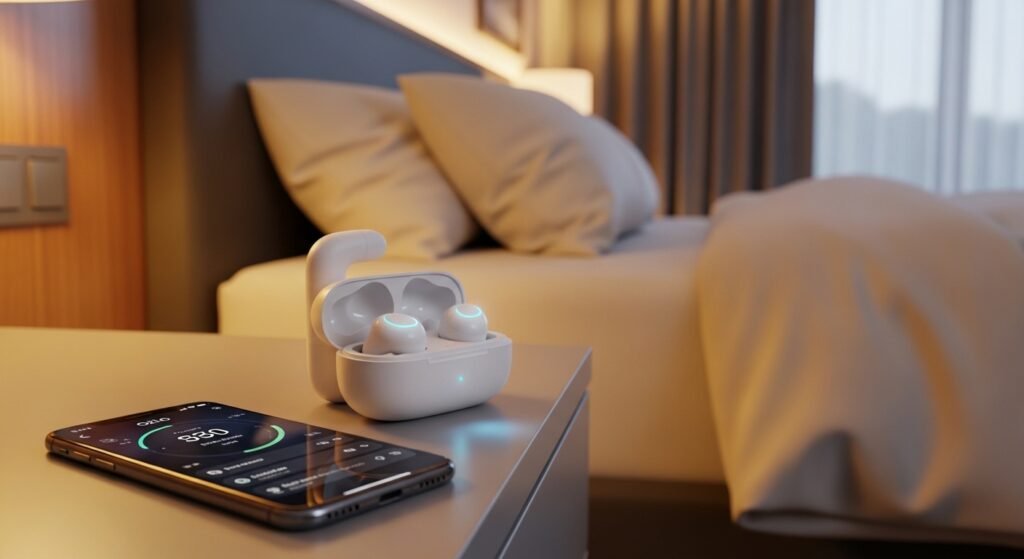
If you can’t sleep, you can’t function. Local favorite Ozlo Australia is a perfect example of how tech can disappear into your routine. Their sleepbuds aren’t for music; they are for science-backed sound masking. They’re small enough to wear all night and use sensors to help you fall asleep faster and stay under. It’s a “quiet revolution” because it doesn’t track data just for the sake of it; it tracks your environment to help you quiet your own mind. In a world of burnout, having tech that helps you disconnect is worth its weight in gold.
The impact of quiet rangehoods on open-plan living
Most modern Aussie homes have that open-plan kitchen and living area, which is great until someone starts cooking. If your rangehood sounds like a vacuum cleaner, you can’t hear the TV or the conversation. Brands like Whispair Australia solve this by moving the motor away from the kitchen entirely. Their remote motor systems place the fan on the roof or an external wall, considerably reducing the noise while still keeping the air clean. It’s one of those “hidden” quiet technologies that you don’t notice until you realize you’re actually enjoying your kitchen for once.
Choosing quiet treadmills for apartment life
The home fitness boom in Australia hit a snag when people realized how loud treadmills actually are for the neighbors downstairs. Now, we see models like the Endurance Superstar using specialized sound-dampening materials and thicker belts to absorb the “thump” of your feet. They even use vibration-isolating feet to prevent sound from traveling through the floorboards. It makes working out at 5 AM possible without getting a nasty text from the person living below you. It’s all about engineering the friction out of the machine.
Common mistakes when buying quiet technology
The biggest mistake is assuming “quiet” means “silent.” Every machine makes some noise; the goal of these tools is to make that noise less annoying or less noticeable. Another slip-up is ignoring the decibel (dB) ratings. A difference of just 3dB might not sound like much, but it actually represents a doubling of sound energy. Also, people often forget to maintain their gear. A kettle with limescale buildup or a treadmill with a dry belt will get louder over time. Keep things clean and lubricated if you want them to stay hush-hush.
The future of stillness in a hyper-connected world
As we get further into 2026, the push for silence is only going to get stronger. We’re moving toward “everyday AI” that handles our schedules and tasks quietly in the background without constant pings. The tech is becoming less visible but more present, fading into our routines rather than interrupting them. It’s a slow recalibration of our relationship with our devices. We’re finally learning that a “smart” home should also be a “quiet” home. It’s an exciting shift for anyone who values their headspace.
FAQ: What People Are Asking About Quiet Tech
1. Is “quiet tech” just another marketing term?
Not really. While some brands use it for hype, it generally refers to specific engineering choices—like better insulation or noise-canceling chips—that have a measurable impact on decibel levels.
2. Does active noise canceling work for snoring?
It helps, but it’s not perfect. ANC is best at blocking constant hums like engines. For erratic noises like snoring, “sound masking” (which plays steady, soothing audio) is usually more effective.
3. Why are quiet kettles more expensive?
They require extra layers of insulation and specialized bases to prevent the “popping” of steam bubbles. That extra engineering and higher-quality material cost a bit more at the checkout.
4. When will quiet supersonic flights be available?
NASA is currently testing the X-59, with plans to deliver community response data to regulators by 2027. If all goes well, we could see rules change for commercial flights by 2028.
5. How can I find more Australian quiet tech reviews?
Checking out thearticlespot.com is your best bet for localized reviews on everything from silent kettles to the best apartment-friendly treadmills available in Australia.
I honestly think we’ve reached the limit of how much noise we can handle as a society. The future is definitely quieter, and honestly, it’s about time. If you can swap even one loud appliance for something a bit more respectful, your brain will probably thank you for it by the end of the week. Anyway, catch you in the next one…