

Home Blog Page 7

Messaging Security Agent: How It Works And Why It Matters

0

A messaging security agent is a security tool that monitors, filters, and protects business communication from threats such as phishing, malware, spam, suspicious links, data leaks, and unauthorized access. It helps keep email, chat, collaboration platforms, and internal messaging safer before risky content reaches users.

Quick answer: A messaging security agent protects business communication channels such as email, chat, cloud collaboration tools, and internal messaging systems. It helps detect phishing, malware, spam, suspicious links, data leaks, and unauthorized access before users interact with risky content.

For small businesses, messaging security usually starts with email protection, MFA, malware scanning, and phishing awareness. For larger organizations, it may include cloud messaging security, data loss prevention, Microsoft Exchange protection, SIEM alerts, and centralized admin reporting.

For modern businesses, secure messaging is no longer optional. Teams now depend on email, cloud apps, customer support tools, CRMs, and remote communication every day. If these channels are not protected, one fake invoice, infected attachment, or compromised account can quickly create serious operational and security problems.

Editorial note: This article was reviewed by TheArticleSpot’s editorial team for clarity, source accuracy, and relevance. AI tools may have supported outlining, editing, formatting, or research organization, but final review and publication decisions are handled by a human editor. Security tools, product features, and platform requirements can change, so readers should verify important details with official vendor documentation before making a final decision.

What Is a Messaging Security Agent?

A messaging security agent is a software layer that protects digital messages as they move between users, systems, and business applications. Its job is to detect threats, enforce security rules, and reduce the chance of users interacting with harmful content.

In simple terms, it works like a security checkpoint for business communication. It checks messages, attachments, links, sender behaviour, and access patterns before allowing communication to continue normally.

A messaging security agent can help protect against:

  • Phishing emails
  • Malware attachments
  • Suspicious links
  • Spam campaigns
  • Business email compromise
  • Data leaks
  • Unauthorized message access
  • Unusual sender behaviour

This makes it especially useful for businesses that rely heavily on email, customer communication, cloud platforms, or hybrid work systems.

Is “Messaging Security Agent” a Specific Product Term?

In some contexts, “Messaging Security Agent” refers to a specific security component used with business email systems, especially Microsoft Exchange environments. For example, Trend Micro uses the term Messaging Security Agent in its Worry-Free Business Security documentation for Exchange server protection and security reporting.

This article uses the term more broadly to explain messaging security agents as a category of tools that protect email, chat, cloud collaboration, and business communication systems. If you are looking for a specific vendor product, always check that vendor’s official documentation for installation, licensing, server requirements, and supported platforms.

Why Messaging Security Agents Matter for Businesses

Attackers often target messaging systems because people naturally trust familiar senders, urgent requests, and known communication threads. A single compromised email account can spread malicious links, fake invoices, or stolen information across an entire company.

This is why messaging security is closely connected to wider cybersecurity practices such as malware protection and account safety. If a message reaches the wrong person at the wrong time, the result can be financial loss, data exposure, downtime, or reputational damage.

How Messaging Security Agents Work

Messaging security agents analyze incoming and outgoing communication to detect possible threats before they cause harm. They inspect message content, attachments, links, sender reputation, login activity, and user behaviour.

Most modern messaging security software uses a mix of rule-based filtering, threat intelligence, machine learning, and behaviour analysis. If a threat is detected, the agent may block the message, quarantine it, warn the user, or alert administrators.

For example, if an employee receives an email with a fake login link, the messaging security agent can identify the suspicious URL and stop the message before the employee clicks it.

Types of Messaging Security Agents
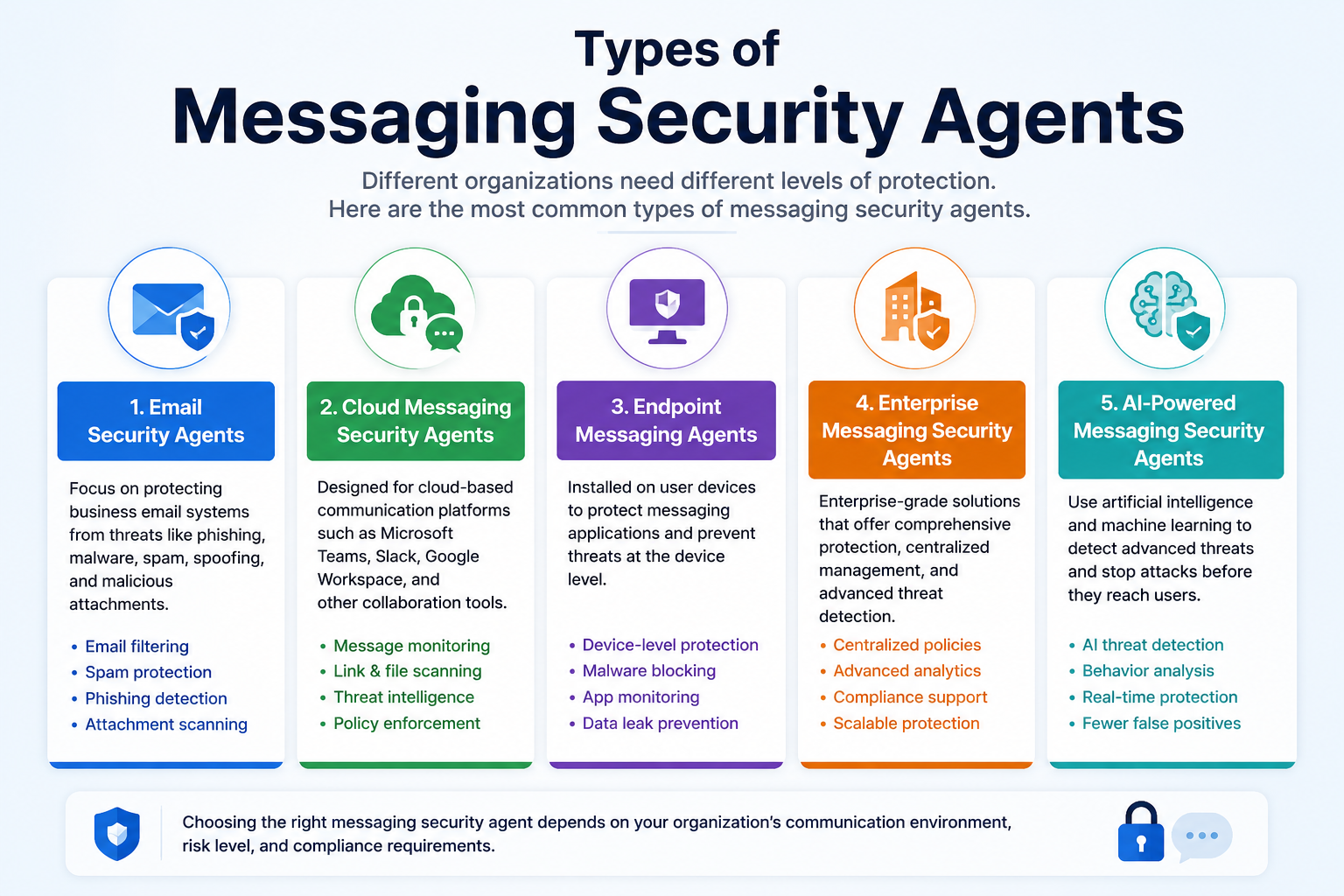
Types of Messaging Security Agents

Different businesses use different types of messaging security agents depending on their communication systems, risk level, and compliance needs.

Email Security Agents

Email security agents protect inboxes from phishing, spam, malware, spoofing, and suspicious attachments. They are commonly used with business email platforms such as Gmail, Outlook, and Microsoft 365.

These agents are especially important because email remains one of the most common entry points for cyberattacks. You can also read about related risks in this guide on Gmail passwords and data breach.

Cloud Messaging Security Agents

Cloud messaging security agents protect platforms such as Slack, Microsoft Teams, Google Workspace, and other collaboration tools. They monitor conversations, files, links, and permissions inside cloud-based communication systems.

This matters because many businesses now work across shared drives, chat platforms, video meetings, and customer support apps instead of email alone.

Endpoint Messaging Security Agents

Endpoint agents protect the devices that send and receive messages. If a laptop, phone, or tablet is infected, messaging apps can become a channel for spreading malware or stealing data.

Endpoint-level protection helps confirm that devices are safe before they access sensitive communication.

Enterprise Messaging Security Agents

Enterprise messaging security agents are designed for larger organizations. They usually combine email protection, cloud messaging security, compliance monitoring, reporting dashboards, and centralized admin controls.

These systems are useful for companies managing many users, departments, locations, and communication tools at once.

AI-Powered Messaging Security Agents

AI-powered messaging security agents use artificial intelligence to detect unusual behaviour, reduce false alarms, and identify threats that traditional filters may miss.

For example, AI can notice when a sender suddenly changes language, sends unusual attachments, or contacts people outside normal patterns. This connects closely with broader developments in AI and automation.

Key Features of a Messaging Security Agent

A good messaging security agent should do more than block spam. It should provide layered protection across communication channels.

Important features include phishing detection, malware scanning, attachment inspection, suspicious link filtering, sender authentication, data loss prevention, encryption support, access control, reporting dashboards, and policy management.

The best systems also give administrators clear alerts instead of overwhelming them with noise. Security works better when teams can quickly understand what happened, who was affected, and what action is needed.

Messaging Security Agent vs Email Security Gateway

A messaging security agent and an email security gateway both protect communication, but they are not exactly the same.

Feature Messaging Security Agent Email Security Gateway
Main purpose Protects messaging across email, chat, cloud tools, and apps Mainly protects email traffic
Scope Broader communication security Email-focused security
Deployment Cloud, endpoint, or enterprise systems Email server or mail flow level
Best for Modern businesses using multiple communication tools Businesses mainly focused on email protection
Protection Phishing, malware, data leaks, app risks, access issues Spam, phishing, malware, email filtering

Email gateways are still useful, but messaging security agents are often better suited to modern workplaces where communication happens across many tools.

Real-World Example: How It Stops a Threat

Imagine a finance employee receives an email that looks like it came from a regular supplier. The message includes an urgent invoice and a link to confirm payment details.

Without protection, the employee may click the link and enter login details on a fake website.

With a messaging security agent, the system checks the sender, scans the link, compares it with known threat data, detects suspicious behaviour, blocks the message, and alerts the security team.

That one blocked message can prevent a business email compromise attack, stolen credentials, and financial loss.

Who Needs a Messaging Security Agent?

Any organization that relies on digital communication can benefit from a messaging security agent.

This includes:

  • Small businesses
  • Ecommerce stores
  • Healthcare providers
  • Finance teams
  • Schools and universities
  • Agencies
  • Remote teams
  • SaaS companies
  • Enterprise organizations

Small businesses should not assume they are too small to be targeted. Attackers often prefer smaller companies because they may have weaker security systems and less formal oversight.

Businesses with remote or hybrid teams should be especially careful because employees often access messages from different devices, networks, and locations. This connects naturally with modern workplace trends such as remote work in Australia.

Common Messaging Security Mistakes

Many businesses rely too much on basic email filtering or antivirus tools. While these protections help, they are not enough on their own.

Common mistakes include ignoring employee training, failing to scan attachments properly, not using multi-factor authentication, allowing weak admin controls, ignoring suspicious login activity, and using outdated security policies.

Another mistake is treating messaging security as only an IT issue. In reality, secure communication affects customer trust, employee productivity, compliance, and business continuity.

Best Practices for Better Messaging Security

A messaging security agent works best as part of a layered security strategy.

Businesses should enable multi-factor authentication, train employees to recognize phishing, update security policies regularly, monitor suspicious message activity, review quarantined messages, and combine messaging protection with malware and endpoint security.

It is also important to understand the technical foundations behind secure communication. Concepts like domain routing, authentication, and DNS reliability matter more than many business owners realize. This guide on what is a DNS server explains the basics clearly.

Benefits of Using a Messaging Security Agent

The biggest benefit is prevention. A messaging security agent helps stop threats before they reach employees or customers.

It can also improve compliance, reduce downtime, support safer remote work, protect sensitive files, and give administrators better visibility into communication risks.

For businesses using customer platforms or cloud tools, messaging security also supports smoother operations. For example, teams using CRM systems and shared communication platforms can reduce risk by combining security controls with reliable tools such as cloud CRM.

How AI Is Changing Messaging Security

AI is making messaging security faster and more adaptive. Instead of only checking known threats, AI-supported systems can detect unusual patterns and respond to new risks more quickly.

This includes spotting suspicious writing styles, strange login behaviour, abnormal message volume, and risky attachments. AI can also help users decide whether a message looks safe before they click.

Still, AI should not replace human judgement. It should support faster decisions and reduce repetitive security work. To understand the basics behind these systems, read this guide on what is artificial intelligence.

For a plain-English explanation of the goal, tool, observation, and approval loop behind broader agent systems, see how AI agents work.

Conclusion

A messaging security agent is no longer just a technical add-on. It is an important layer of protection for any business that depends on email, chat, cloud tools, or customer communication.

It helps block phishing, malware, suspicious links, data leaks, and unauthorized access before they disrupt daily operations. More importantly, it reduces the damage caused by human error, weak integrations, and modern communication risks.

For businesses, the goal is not to make communication harder. The goal is to make communication safer, more reliable, and easier to trust.

As digital workplaces continue to expand, messaging security will only become more important. The businesses that treat secure communication as a long-term investment will be better prepared to protect their people, data, and reputation.

Related Cybersecurity Guides

If you are improving messaging security, these guides may also help:

What is a messaging security agent?

A messaging security agent is a cybersecurity tool that protects digital communication from phishing, malware, spam, suspicious links, data leaks, and unauthorized access. It monitors messages and applies security rules to reduce business risk.

Do I need a messaging security agent?

Yes, if your business relies on email, chat apps, cloud platforms, or customer communication. A messaging security agent helps reduce cyber threats and protects sensitive information before risky messages cause damage.

Is a messaging security agent only for email?

No. Modern messaging security agents can protect email, instant messaging, collaboration platforms, cloud communication tools, and connected business applications.

Can a messaging security agent stop phishing?

Yes. Messaging security agents can detect phishing attempts by checking suspicious links, sender reputation, message patterns, attachments, and known threat signals.

Are messaging security agents useful for small businesses?

Yes. Small businesses are often targeted because attackers assume they have fewer security controls. A messaging security agent can help protect communication without requiring a large internal security team

AI and Automation: How Work Is Quietly Changing 2026

AI and automation are no longer ideas sitting in whitepapers or future roadmaps. They’re already woven into how businesses operate, how decisions get made, and how work quietly shifts behind the scenes. Most of the time, you don’t even notice it happening. A system updates itself. A task disappears from your to-do list. Something that once took hours now takes minutes. That’s the real story here.

What People Actually Mean When They Say “Define Automation”

When people ask to define automation, they often picture machines replacing humans. That image is outdated. Automation, at its core, is about creating systems that handle repeatable tasks without constant human input. It’s not about removing people. It’s about removing friction.
In practice, automation shows up as workflows, rules, triggers, and processes that quietly run in the background. Invoices get sent automatically. Data syncs between systems. Reports generate themselves overnight. None of this is dramatic, but all of it changes how work feels day to day.

Automation and AI: Why the Combination Matters

Automation on its own follows rules. AI introduces judgment, pattern recognition, and learning. When automation and AI come together, systems don’t just execute tasks; they adapt. They notice anomalies. They suggest improvements.
This is where ai automated processes start to feel different. Instead of rigid workflows, you get flexible systems. A customer support platform adjusts routing based on sentiment. A supply chain tool predicts delays before they happen. The work still flows, but it flows smarter.

AI and Process Automation in Real Business Settings

AI and process automation shine brightest in areas people rarely romanticize. Back offices. Operations. Compliance. These are places filled with repetitive checks and approvals. An AI-driven process can validate data, flag inconsistencies, and route exceptions to humans only when necessary—freeing people to rely more on judgment, communication, and other core employability skills instead of chasing missing information. The result isn’t job loss. It’s fewer interruptions. Fewer mistakes. Less burnout. People focus on decisions instead of paperwork.

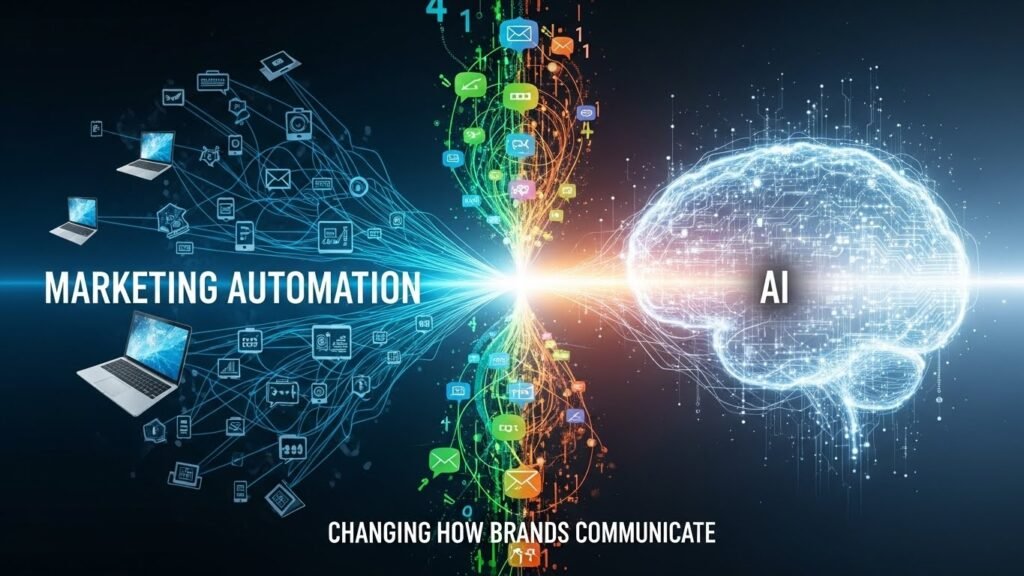
Marketing Automation and AI Changing How Brands Communicate

Marketing Automation and AI

Marketing used to rely heavily on intuition and timing guesses. Campaigns respond to behavior instead of schedules. Messages adjust based on engagement instead of assumptions.AI and marketing automation allow businesses to send fewer messages that matter more. Content personalization improves. Lead scoring becomes dynamic. Timing feels natural instead of forced. It’s not louder marketing. It’s quieter, more relevant communication.

AI Powered Tools Don’t Announce Themselves

Most ai powered systems don’t look futuristic. They look like dashboards. Checkboxes. Background processes you barely think about.
That’s intentional. Good automation blends into routine. When it works, it doesn’t demand attention. When it fails, you notice immediately. The goal isn’t to impress users. It’s to reduce cognitive load so people can focus on meaningful work.

AI for Automation Inside Daily Workflows

AI for automation often starts small. A document classifier. An email triage system. A scheduling assistant. These aren’t headline features, but they stack up.Over time, teams realize entire chunks of work no longer exist. Meetings get shorter. Follow-ups reduce. Errors decline. The workflow becomes smoother without anyone declaring a “digital transformation” milestone.

AI Driven Decision Support Feels Subtle but Powerful

AI and process automation shine brightest in areas people rarely romanticize. Back offices. Operations. AI driven systems don’t replace decision-makers. They reshape how decisions are prepared. Data comes cleaner. Patterns surface faster. Scenarios become easier to compare. This is especially visible in finance, operations, and logistics, where digital transformation support helps teams move from reacting to reports toward responding to signals. The decision still belongs to humans, but the fog lifts sooner.

AI Business Context Validation Medium Explained Simply

The idea of ai business context validation medium sounds complex, but it’s not mystical. It’s about ensuring AI systems understand the environment they operate in.Context matters. A flagged transaction isn’t always fraud. A delayed shipment isn’t always failure. AI models that validate context reduce false alarms and unnecessary escalations. That’s where trust builds—slowly, quietly, but meaningfully.

Lab Automation News Shows Where Precision Matters

Lab automation news often highlights breakthroughs in speed and accuracy. AI automated systems in labs handle repetitive pipetting, sample tracking, and quality checks.
What changes isn’t just efficiency. It’s consistency. Human error drops. Data reliability improves. Scientists spend more time analyzing results instead of managing processes. The science doesn’t rush. It steadies.

Robotics Lab Automation News and the Human Factor

Robotics lab automation news sometimes triggers fears of machines replacing expertise. In reality, robotics amplify it.
Robots handle physical precision. Humans handle interpretation. Together, they reduce fatigue and increase throughput. The lab becomes safer, calmer, and more predictable.

AI Automation Services and the Temptation to Overbuild

AI automation services often promise sweeping change. The danger lies in automating chaos.
Successful teams automate stable processes first. They don’t start with everything. They start with what’s already working and remove friction piece by piece. Automation doesn’t fix broken systems. It exposes them.

Where AI Automated Systems Still Struggle

Despite progress, AI automated systems aren’t perfect. Edge cases confuse them. Poor data weakens them. Bias creeps in quietly.
This is why human oversight remains essential. Automation handles volume. Humans handle nuance. When both respect their limits, systems perform better.

A Simple Snapshot of Automation Impact

Area Before Automation After AI Integration
Data Entry Manual, error-prone Automated, validated
Customer Support Reactive Predictive
Marketing Broad messaging Personalized
Operations Delayed insights Real-time signals

The shift isn’t flashy. It’s structural.

Why AI and Automation Feel Unsettling at First

Change always feels personal before it feels practical. People worry about relevance. About skills. About control.
What usually happens instead is role evolution. Less repetition. More interpretation. New responsibilities appear. Old frustrations fade. It doesn’t happen overnight, but it happens steadily.

What Happens When Automation Is Done Poorly

When Automation Is Done Poorly

Bad automation adds steps instead of removing them. It creates alerts nobody trusts. It forces people to work around systems instead of with them.
That’s why successful automation projects feel boring. They don’t demand attention. They quietly support work without getting in the way.

The Long View of AI and Automation

Over time, ai and automation reshape expectations more than workflows. Response times shrink. Accuracy becomes assumed. Manual effort feels outdated.
The bar rises without announcements. Businesses that adapt early feel calm later. Those that resist scramble when change becomes unavoidable.

Letting It Taper Off

AI won’t suddenly “arrive.” Automation won’t finish rolling out. This isn’t a destination. It’s a gradual shift in how work feels.
Some days it saves minutes. Some days it prevents mistakes you’ll never know about. And slowly, quietly, it changes what people expect from systems—and from work itself.

FAQs — People Also Ask

What is the difference between AI and automation?
Automation follows predefined rules, while AI can learn, adapt, and make predictions based on data patterns.

Can small businesses benefit from AI automation services?
Yes. Even simple automation reduces workload and errors, especially in marketing, support, and operations.

Does AI and automation replace jobs?
It usually reshapes jobs rather than removing them, shifting focus from repetitive tasks to higher-value work.

Is marketing automation and AI expensive to implement?
Costs vary, but many tools are scalable and affordable, especially cloud-based platforms.

Where should a business start with AI for automation?
Start with stable, repetitive processes that already work, then expand gradually as confidence grows.

Malware Protection Guide | How to Keep Your Devices Safe

0

Malware protection used to sound like something only large companies worried about. Now it is personal. Phones, laptops, tablets, and browsers all store private information and connect to important accounts. One careless click can expose passwords, files, payment details, or work data.

The difficulty is that malware does not always announce itself clearly. Some threats stay hidden for a while. Australian Cyber Security Centre guidance on information stealers notes that many are designed to be hard to detect, and victims may not realize their device is infected or their data has been stolen.

That is why malware protection matters. It is not only about cleaning up damage. It is about lowering the chance that damage happens in the first place.

What Is Malware Protection?

Malware protection refers to the tools and practices used to prevent, detect, and remove malicious software from devices. That includes:

  • viruses
  • spyware
  • ransomware
  • trojans
  • adware
  • credential stealers
  • malicious apps
  • harmful browser-based threats

Good protection usually combines software, settings, updates, and safer habits. It is rarely just one product doing everything.

How Malware Gets Onto Everyday Devices

Malware usually enters through something that looks normal at first. It may come from:

  • fake downloads
  • email attachments
  • malicious links
  • unsafe apps
  • compromised websites
  • deceptive ads
  • rogue browser extensions

This is one reason prevention matters so much. Malware often hides behind legitimate-looking behavior, which makes it easy for people to miss until something feels off.

Why Awareness Still Matters

Before security software even comes into the picture, user behavior matters. Fast clicks, ignored updates, unknown download sources, and weak account habits all increase exposure.

The strongest protection is usually quiet. It works in the background while you browse, install, update, and log in. That preventive mindset is similar to how good security teams think more broadly about messaging security agent and what is a DNS server risks too.

What Good Malware Protection Includes

There is no single perfect product for everyone, but strong malware protection usually includes a few core layers.

Real-time threat detection

Protection should monitor activity as it happens, not only during manual scans.

Behavior-based analysis

Modern tools should look for suspicious behavior, not only known file signatures.

Frequent updates

Threat databases and detection systems need regular updates to stay effective.

Safe browsing or download warnings

Good protection often helps block dangerous sites, links, or downloads early.

Recovery support

If something gets through, the tool should help isolate, remove, and recover safely.

Do Antivirus Tools Still Matter?

Yes. Antivirus software is still relevant, but it has evolved. It is no longer just about scanning files against an old threat list.

Microsoft says Windows 11 includes built-in, always-on Microsoft Defender Antivirus, with additional features such as Smart App Control and SmartScreen to make devices harder to hack.

That means antivirus is still part of the security picture, but it now works as part of a broader layered system.

Norton 360 and All-in-One Protection

Norton products remain popular because they combine several layers into one platform. Norton’s current product pages describe real-time threat protection, malware protection, phishing protection, and VPN or identity-related features depending on the plan.

That kind of bundled setup can be useful for people who prefer:

  • one dashboard
  • fewer separate apps
  • simpler protection choices
  • extra privacy or identity tools

It is not the only option, but it reflects where consumer security software has moved.

How to Remove Malware Safely

When malware is already on a device, panic often makes the situation worse. Random “cleaner” tools and urgent-looking downloads can add more problems instead of solving them.

A safer process usually includes:

  • disconnecting from risky networks if needed
  • using a trusted security tool
  • running a full scan
  • removing or quarantining identified threats
  • reviewing extensions, apps, and startup items
  • updating passwords after cleanup
  • checking for unusual account activity

Removal is only part of the job. Recovery also matters.

What Malware Scanners Actually Do

A malware scanner checks files, memory, apps, browser behavior, and system activity for known threats or suspicious patterns.

Some scanners rely on signature matching. Others also use heuristic or behavioral analysis to detect things that do not match an exact known threat but still behave like malware.

That is why scans may take time. They are checking more than just obvious files.

What to Do After Malware Is Removed

Even after removal, the device may not return to normal immediately. Settings may have changed. Browser behavior may still be odd. Accounts may have been exposed.

After cleanup, it is smart to:

  • change important passwords
  • update software
  • remove unused or suspicious apps
  • review browser extensions
  • recheck account security settings
  • watch for unusual login activity

This is where broader security thinking overlaps with cyber security jobs and malware protection as a bigger topic area.

Android and Google Play Protect

Google Play Protect and Android Safety

Android users often rely on Google Play Protect without thinking much about it. Google says Play Protect checks apps and devices for harmful behavior, warns about potentially harmful apps, and may remove or deactivate them. Google also says it scans over 200 billion Android apps a day.

That makes Play Protect a useful built-in layer, especially for lower-risk users. But it is still better to think of it as a baseline guardrail rather than a complete answer for everyone.

Best Antivirus for Android: What Matters

Android protection should focus on:

  • app behavior
  • permissions
  • risky sideloading activity
  • harmful links
  • network and browser warnings

This matters more for users who do banking, work email, cloud file access, or frequent app installs on their phones.

Windows 11 and Built-In Protection

Windows 11 now includes stronger built-in protection than older Windows versions. Microsoft describes Microsoft Defender Antivirus as active by default and part of a broader security setup that includes SmartScreen and other protections.

For many everyday users, the built-in protection is a solid starting point. But riskier behavior, such as frequent downloads from unknown sources, can still justify extra layers.

PC Protection Without Slowing Everything Down

One of the biggest complaints about security tools is performance drag. That matters because users often disable tools that feel too heavy.

The best PC protection should:

  • run quietly
  • avoid constant pop-ups
  • provide real-time monitoring
  • limit major slowdowns
  • stay usable enough that people keep it enabled

Protection only works if people actually leave it on.

Chromebooks Are Safer, Not Untouchable

Chromebooks are often safer by design because of sandboxing, verified boot, and their cloud-first model. But that does not make them immune to threats.

Browser-based attacks, malicious extensions, phishing, and account compromise can still cause serious harm. So Chromebook safety still depends heavily on user behavior and account hygiene.

Macs and Malware Risks

The old idea that Macs do not need security attention is outdated. macOS has strong built-in protections, but phishing, malicious downloads, and social engineering still work across platforms.

In practice, the risk is often less about Hollywood-style “hacking” and more about:

  • fake updates
  • deceptive downloads
  • credential theft
  • unsafe browser behavior
  • malicious attachments

That makes awareness and layered protection relevant for Mac users too.

Are Free Protection Tools Enough?

Free tools are not useless, but they are usually more limited. They may have:

  • narrower features
  • fewer extras
  • smaller support options
  • less identity or privacy coverage
  • weaker business-use suitability

For casual users, that may be enough. For people handling financial, business, or sensitive data, more complete protection often makes sense.

Staying Protected Without Obsessing Over It

Security should not mean constant fear. Good malware protection is mostly about consistency.

That includes:

  • keeping devices updated
  • using trusted app sources
  • checking links before clicking
  • using strong passwords and MFA
  • letting real-time protection stay active
  • reviewing suspicious behavior early

The goal is not to think about malware all day. The goal is to set up enough good habits and protections that you do not need to.

Final Thoughts

Malware protection is not only for big companies anymore. It matters for anyone using a phone, laptop, browser, or cloud account.

Threats keep changing, and the tools keep adapting. The best approach is usually layered: safer habits, built-in protections, trusted scanners, timely updates, and a bit more caution around downloads and links.

That is what keeps devices quieter, safer, and more reliable over time.

FAQs

What is malware protection?

Malware protection is the combination of tools and habits used to prevent, detect, and remove malicious software from devices.

Is built-in antivirus enough?

Sometimes. Windows 11 includes Microsoft Defender Antivirus and other built-in protections, which are a strong starting point for many users.

How often should I scan for malware?

Real-time protection handles much of the risk, but manual scans from time to time can still be useful.

Can malware steal passwords?

Yes. Information-stealer malware is specifically designed to steal credentials and system information.

Do Macs need antivirus or security software?

Macs are safer in some ways, but they are still exposed to phishing, malicious downloads, and browser-based threats, so security still matters.


Intelligen AI Explained: Uses, Agents, Governance & Trust

When people discuss AI, they often describe it as machines that learn, software that adapts, or systems that predict. That description is not entirely wrong, but it misses a critical point about how intelligent AI agents for business actually function.

Artificial intelligence is not mainly about replacing human thinking. It is more about identifying patterns, processing huge amounts of information, and helping people make faster, more informed decisions. This is why understanding what is artificial intelligence matters before discussing intelligent automation tools or advanced applications.

Current AI systems do not “understand” in the same way humans do. They detect relationships, probabilities, and repeated signals across data. That difference matters because expectations shape outcomes. If people expect AI to think like a human, they will be disappointed. If they understand it as a system for pattern recognition and contextual support, its value becomes much clearer.

Key Insight: Data alone is not enough. Intelligen AI only becomes useful when it operates within a framework, a purpose, and a set of meaningful boundaries.

Table of Contents

AI in Movies vs. Reality: Why the Gap Matters

Public imagination around AI was shaped heavily by films and futuristic storytelling. In those stories, AI often appears as emotional robots, sentient systems, or machines with hidden motives. Those narratives are usually about fear, control, and power more than real technology.

In daily life, AI is much less dramatic. It appears in recommendation engines, fraud alerts, content moderation, forecasting systems, and search tools. It works more like a silent assistant than a science fiction villain.

This everyday version of intelligent AI agents is closer to practical automation than the movie versions people often imagine.

The Real Risk: The bigger danger is not that machines become too human-like. The bigger risk is that humans assume machines understand more than they actually do. That gap between story and reality creates confusion, overconfidence, and poor decisions.

Co-Intelligence: Working Effectively With Intelligent AI Systems

Humans + AI = Better Outcomes

A more useful way to think about Intelligen AI is through co-intelligence. That means humans and AI working together instead of competing with each other.

Humans still provide judgment, ethics, direction, and context. AI brings speed, scale, pattern detection, and support with complexity. You can already see this partnership in:

  • Writing assistance and content optimization
  • AI-powered search and discovery
  • Quick summaries and data interpretation
  • Workflow assistance and automation
  • Better data-driven decision making

This kind of partnership changes where human effort goes. People spend less time on repetitive analysis and more time on interpretation, decisions, and strategy. That is one reason intelligent automation tools are becoming more practical for businesses of all sizes.

Co-Intelligence Works When: People stay both curious and careful. Blind trust is dangerous, but fear is also limiting. The goal is not dependence. The goal is responsible collaboration.

What is Intelligen AI? Understanding Artificial Intelligence Fundamentals

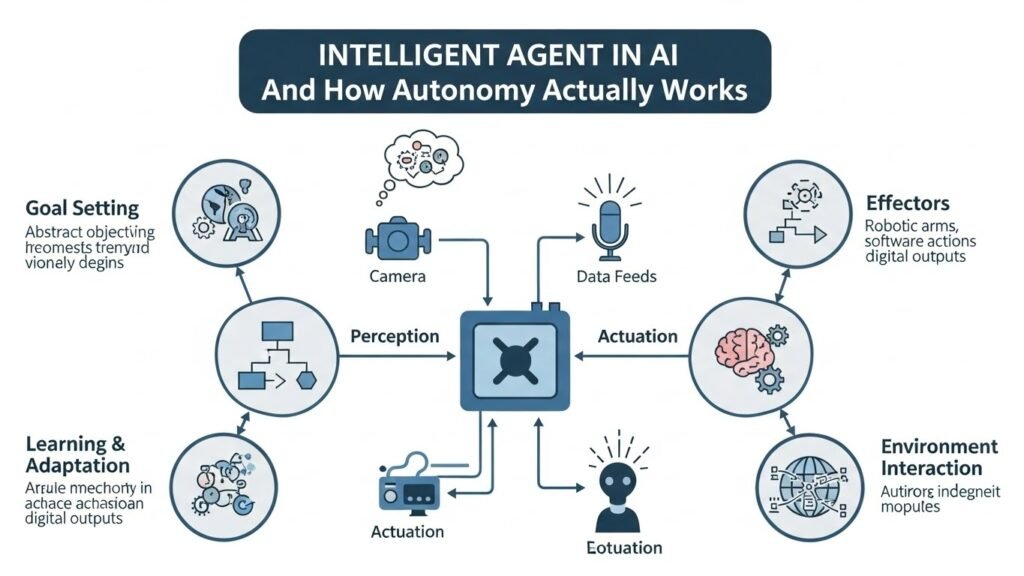
Intelligent Agent in AI

AI Overview: What Artificial Intelligence Really Means

When people discuss AI, they often describe it as machines that learn, software that adapts, or systems that predict. That description is not entirely wrong, but it misses a critical point about how intelligent AI agents for business actually function.

Artificial intelligence is not mainly about replacing human thinking. It is more about identifying patterns, processing huge amounts of information, and helping people make faster, more informed decisions. This is why understanding what is artificial intelligence matters before discussing intelligent automation tools or advanced applications.

Current AI systems do not “understand” in the same way humans do. They detect relationships, probabilities, and repeated signals across data. That difference matters because expectations shape outcomes. If people expect AI to think like a human, they will be disappointed. If they understand it as a system for pattern recognition and contextual support, its value becomes much clearer.

Key Insight: Data alone is not enough. Intelligen AI only becomes useful when it operates within a framework, a purpose, and a set of meaningful boundaries.

AI in Movies vs. Reality: Why the Gap Matters

Public imagination around AI was shaped heavily by films and futuristic storytelling. In those stories, AI often appears as emotional robots, sentient systems, or machines with hidden motives. Those narratives are usually about fear, control, and power more than real technology.

In daily life, AI is much less dramatic. It appears in recommendation engines, fraud alerts, content moderation, forecasting systems, and search tools. It works more like a silent assistant than a science fiction villain.

This everyday version of intelligent AI agents is closer to practical automation than the movie versions people often imagine.

The Real Risk: The bigger danger is not that machines become too human-like. The bigger risk is that humans assume machines understand more than they actually do. That gap between story and reality creates confusion, overconfidence, and poor decisions.

Co-Intelligence: Working Effectively With Intelligent AI Systems

Humans + AI = Better Outcomes

A more useful way to think about Intelligen AI is through co-intelligence. That means humans and AI working together instead of competing with each other.

Humans still provide judgment, ethics, direction, and context. AI brings speed, scale, pattern detection, and support with complexity. You can already see this partnership in:

  • Writing assistance and content optimization
  • AI-powered search and discovery
  • Quick summaries and data interpretation
  • Workflow assistance and automation
  • Better data-driven decision making

This kind of partnership changes where human effort goes. People spend less time on repetitive analysis and more time on interpretation, decisions, and strategy. That is one reason intelligent automation tools are becoming more practical for businesses of all sizes.

Co-Intelligence Works When: People stay both curious and careful. Blind trust is dangerous, but fear is also limiting. The goal is not dependence. The goal is responsible collaboration.

Intelligent Agents in AI: How They Actually Work in Practice

Breaking the Autonomy Myth

One common misunderstanding is that an intelligent agent in AI is fully independent and self-directed. In most cases, that is not true.

An intelligent agent usually works within clearly defined rules, goals, and limits. It observes conditions, responds to changes, and takes actions based on the environment it is designed for. It does not have secret intentions or personal ambitions. It is an optimization system operating inside boundaries.

Think of intelligent agents as specialized tools with guardrails, not autonomous entities with free will.

Common Business Uses of Intelligent Agents

In real organizations, AI agents for business typically:

Route Support Tickets

  • Send customer queries to the correct team faster
  • Improve customer care and service workflow efficiency
  • Reduce manual sorting and human error

Adjust Pricing Dynamically

  • Help businesses respond to demand changes
  • React to competitive pressure in real time
  • Optimize margins based on market conditions

Trigger Smart Inventory Decisions

  • Recommend reordering based on sales velocity
  • Analyze buying patterns and seasonal trends
  • Prevent stockouts and overstock situations

Detect Unusual Activity

  • Flag fraud, anomalies, and security risks
  • Identify patterns humans might miss
  • Alert teams before problems escalate

The Critical Factor: The effectiveness of these agents depends entirely on design quality. Poor boundaries lead to poor outcomes, often very quickly. Autonomy does not mean freedom. It means responsibility has shifted to the people who built, trained, and deployed the system.

AI Retail Business Intelligence: Making Faster, Smarter Decisions

Why Retail Needs Intelligent AI Systems

Retail is one of the clearest examples of practical AI application. Market conditions change constantly:

  • Products go out of stock unexpectedly
  • Customer behavior shifts with seasons and trends
  • Demand can rise or drop with little warning
  • Competitors respond in real time

AI retail business intelligence helps businesses process these changes faster than manual analysis alone. It looks for signals in transactions, customer activity, inventory movement, and behavioral trends. The value is not only in prediction—it is also in helping organizations respond with less guesswork and less emotional decision-making.

Better Decisions Under Pressure

Teams can make smarter calls about:

  • Reordering inventory at optimal times
  • Designing promotions that actually convert
  • Making inventory cuts based on real data
  • Understanding true category performance

What Actually Matters: Pretty dashboards are not the real advantage. The real advantage is reducing bad decisions made under pressure. When stakes are high and time is short, data-driven guidance backed by intelligent automation tools changes outcomes.

Understanding Customers Through AI Retail Intelligence

AI retail intelligence also helps businesses understand customers more clearly. It can analyze:

  • Click behavior and browsing patterns
  • Purchase timing and frequency
  • Abandoned carts and hesitation signals
  • Product comparison behavior

When used responsibly, this leads to better customer experiences:

  • Customers see more relevant suggestions
  • Product placement improves conversion
  • Businesses waste fewer opportunities on poor targeting
  • Personalization feels helpful, not invasive

The Ethical Line: There is a line between helpful personalization and invasive tracking. If that line is crossed, people feel watched instead of served. This is where human oversight matters most. Better technology does not automatically mean better judgment. Businesses still need people to decide what is fair, appropriate, and respectful.

AI Governance Framework: Why It Matters Now More Than Ever

AI Governance Business-specific

Governance Is Not Optional—It’s Essential

As AI becomes more common, governance is no longer optional. It is a practical necessity for organizations of any size.

AI governance means putting clear rules, review systems, and accountability measures around how Intelligen AI is used. It is not about slowing innovation. It is about making sure systems behave responsibly in real-world settings.

Key Areas of AI Governance

An effective AI governance framework examines:

  • Data sources: Where is information coming from? Is it reliable?
  • Decision impact: Who is affected by this system’s outputs?
  • Downstream effects: What happens when this decision cascades through other systems?
  • Accountability: Who is responsible if something goes wrong?
  • Fairness: Does this system treat all users equitably?
  • Risk exposure: What could break? What could cause harm?

Why This Matters: Without governance, automation can easily scale bias, poor logic, and existing organizational problems instead of fixing them. That is why AI use should connect with strong risk management practices.

The Paradox: The more capable AI becomes, the more important human judgment becomes.

Why One-Size-Fits-All Governance Fails

Generic governance rules are often too broad to work well. Different industries face very different risks, responsibilities, and use cases. Healthcare, retail, logistics, finance, and software businesses all face different challenges.

Effective governance must fit the business context instead of being treated as a general compliance document.

What Good Governance Looks Like in Practice

Built Into Workflows

  • Governance is part of daily operations, not added after deployment
  • Teams understand their role in the oversight process
  • Review happens naturally, not as an afterthought

Matched to Real Business Risk

  • Rules reflect the actual impact of decisions
  • Not focused only on theoretical concerns
  • Scaled to match actual exposure

Easy for Teams to Follow

  • If oversight feels unnatural or overly restrictive, teams will try to bypass it
  • Clear guidelines that fit existing processes
  • Support and training included

Focused on Reliability

  • The purpose is not to block AI adoption
  • The purpose is to make it safer, more consistent, and more trustworthy
  • Enables confidence in system outputs

How Intelligen AI Integrates Into Everyday Work Systems

The Quiet Adoption: Why AI Spreads Unnoticed

One reason AI adoption moves quickly is that it often arrives quietly. It is built into tools people already use. It may appear in:

  • Email sorting and priority management
  • Meeting scheduling and calendar optimization
  • Fraud monitoring and transaction review
  • Content moderation and spam filtering
  • Customer support systems and chatbots
  • Automated reporting and insights
  • Search assistance and knowledge discovery

The Adoption Pattern: Most people do not feel like they are adopting a major new technology. They feel like things are becoming faster, smoother, or easier.

This is one reason trust often develops before transparency. People accept the convenience first. They start asking deeper questions only when something goes wrong.

Where Trust Starts to Break—And How to Prevent It

Trust usually does not break because AI makes a mistake. Humans make mistakes too.

Trust breaks when:

  • People cannot understand the outcome
  • They question the underlying logic
  • No one can identify who is responsible
  • “The system decided” becomes a way to hide real decision-makers
  • Accountability disappears

Why Explainability Is Non-Negotiable

Explainability is not a bonus feature. It is necessary for long-term acceptance.

People are far more likely to trust a system when they can understand why it produced an outcome, even if the outcome is not perfect. This is why organizations using Intelligen AI should care about communication just as much as technical performance.

The goal: Make AI decisions transparent enough that people understand the reasoning, even if they sometimes disagree with the result.

Understanding the Real Limits of AI Systems

Where Intelligent AI Still Struggles

AI can be powerful, but it still has clear limits. Intelligent automation tools struggle more with:

  • Subtle judgment calls that require context
  • Value-based decisions involving ethics or preference
  • Rare edge cases and unusual situations
  • Real-world complexity that doesn’t match training data
  • Situations requiring genuine creativity or innovation

Why Biased Data Produces Biased Results

If the training data contains bias, the output can reflect that bias. If the assumptions are weak, the result can look confident while still being wrong. That is why strong AI systems are built with review, override, and continuous improvement in mind.

The Most Reliable Approach:

Organizations that succeed with AI do not treat it as flawless. They treat it as a tool that must be monitored, questioned, and refined over time. That mindset is much healthier than hype-driven adoption.

Regular audits, feedback loops, and human review keep systems honest and effective.

How Organizations Actually Adopt AI: The Real-World Pattern

It Usually Starts With a Problem, Not a Strategy

Most organizations do not begin with a grand AI strategy. They begin with a concrete problem:

  • Too much data and not enough insight
  • Repetitive decisions draining team resources
  • Service quality that is inconsistent
  • Forecasting that is too slow
  • Manual processes that bottleneck growth

Intelligen AI enters the business as a practical fix, not as a futuristic statement.

How Adoption Expands Over Time

Over time, once the tool proves useful, adoption expands naturally:

  1. Phase 1: Solve a small, painful problem
  2. Phase 2: See results and expand the tool
  3. Phase 3: Ask larger questions about scale, governance, accountability
  4. Phase 4: AI shifts from being a tool to being a capability

This progression is healthy and sustainable because it builds confidence gradually.

What People Actually Worry About (And What Matters)

The Real Concerns Are Personal, Not Theoretical

Most people do not spend their days worrying about robot uprisings. Their real concern is usually more personal and immediate:

  • Will my skills stay relevant?
  • Will experience and judgment still matter when systems produce answers faster?
  • Will AI support my work or slowly reduce my role?
  • Can I compete with automation?

The Answer Depends on Culture, Not Just Software

Organizations that use AI as reinforcement tend to get better results than those using it only as replacement.

Reinforcement Model:

  • AI handles repetitive work
  • Humans focus on judgment, strategy, context
  • Skills evolve rather than disappear
  • Productivity increases across the team

Replacement Model:

  • AI eliminates roles
  • Humans compete with automation
  • Organization loses institutional knowledge
  • Fear grows faster than capability

That is why the future of Intelligen AI is not just technical. It is organizational and human.

Connecting Deeper: Related Concepts in AI

To fully understand Intelligen AI and its broader context, explore these related topics:

Each of these builds on the core concepts of how AI actually works in modern business contexts.

Where This Leaves Us: The Moment We’re In

We are not standing at one extreme or the other. We are somewhere between hype and habit, between fear and familiarity.

Intelligen AI systems are still evolving, and so is our understanding of them. That is normal and healthy.

What matters now is keeping the conversation open:

  • Ask how systems work
  • Challenge results when they seem wrong
  • Improve boundaries to prevent problems
  • Accept that human intelligence and artificial intelligence are not the same thing, even when they work side by side

That is how change usually becomes real. Quietly, gradually, and then all at once.

FAQs: Your Questions About Intelligen AI Answered

What does Intelligen AI actually mean?

It usually refers to practical, context-aware AI that supports decision-making rather than trying to fully imitate human intelligence. Intelligent AI agents solve real business problems through pattern recognition and optimization.

Is AI different from automation?

Yes. Automation follows fixed rules and workflows. AI works more flexibly by identifying patterns, using feedback, and adjusting outputs within its defined scope. This is why intelligent automation tools are more adaptable than traditional automation.

Are intelligent agents fully autonomous?

Not always. Most AI agents for business operate within human-designed limits and depend heavily on good goals, clean inputs, and clear constraints. Autonomy does not mean independence from oversight.

Why is an AI governance framework important now?

Because AI decisions increasingly affect real people, businesses, and systems. Governance helps ensure fairness, accountability, and trust. Without it, biases and problems can scale quickly.

Will AI replace human decision-making entirely?

That is unlikely in the strongest real-world use cases. The most effective systems still rely on human judgment, ethics, and context. The future is co-intelligence, not replacement.

How should my organization approach AI adoption?

Start with a real problem, not a technology strategy. Prove value in a small area, then expand. Build governance into the process from the beginning. Focus on reinforcement, not replacement.

Ziptie Ai Search Performance Tool 2026

0

Search‍‌‍‍‌‍‌‍‍‌ engine usage has evolved substantially. You can’t expect results to be just blue links and listings anymore. The existence of tools such as the ziptie ai search performance tool is indicative of how the manner in which people find information has been silently revolutionized.

A Turning Point That Demolished Traditional Rank Tracking

SEO teams for years have been obsessed with keyword rankings, to the extent that their entire professional lives were governed by those positions. Being on the first page meant being found, while being on the second page meant panic. This logic was correct as back then search engines only returned a list and users clicked through in a predictable pattern.

AI-supported search engine has busted this model. There are now overviews, summaries, and synthesized answers that come before the users even get to see the websites. Content can affect search results without getting a click. Or completely fade away while still influencing the answer.Conventional rank trackers are not equipped for this kind of situation. They are still built on the assumption of a consistent, linear path which is no longer the case.

Purpose of AI Search Monitoring Tools

Purpose of AI Search Monitoring Tools

AI search monitoring tools have been developed because being visible doesn’t necessarily mean getting traffic anymore. One brand can decide the whole story of AI summaries but have less visitorsAnother brand can be on the good spot and completely be ignored by AI systems.Tracking those systems is not only about the vanity metrics, it is mainly about how and to what extent your content is being understood, referenced, or omitted. Without that understanding, it becomes your guesswork for choices. And when it comes to the modern search, guessing is costly.

What Ziptie AI Search Analytics Really Tracks

People who are curious about ziptie ai search analytics often associate that with a dashboard packed with varying kinds of rankings. But that is not exactly what Ziptie is about. Instead, Ziptie puts its emphasis on the way how AI systems digest, quote, and bring up the content in the ever-changing search experiences.

Rather than pondering over the question, “where do I rank?” the one that is really addressed is “where am I influencing the outcomes?” Those include AI overviews, synthesized responses, and brand mentions that do not necessarily generate a traditional click. It is a different view. And once you get through it, coming back to it feels limiting.

The Purpose of the Ziptie AI Search Performance Tool

The ziptie ai search performance tool was developed to answer the demands of a search environment where answers are more important than positions. It keeps tabs on whether your content is featured in AI summaries, the number of times it is cited, and your brand’s presence across generative results. This is important because AI does not rank content the way humans do by scrolling. Instead, it assesses relevance, authority, freshness, and consistency of sources—signals similar to those used in modern AI-driven business platforms. Ziptie tracks those signals instead of acting like the old rules are still valid.

Reasons to Choose Ziptie AI Search Analytics over Legacy Tools

There are several reasons why you should choose ziptie ai search analytics which are mainly related to honesty. Legacy tools are deceptive in that they promise clarity but only deliver nostalgia. They perform measurements for a world that no longer exists.Ziptie is not trying to change AI behavior so that it fits into the old frameworks. It embraces the chaos. Reflects the uncertainty and instead of showing absolutes, it makes the patterns visible. For some teams initially, it is uncomfortable but a lot more useful in the long run.

Reasons to Choose Ziptie AI Search Performance Tool for Strategy Teams

It depends on the reason for asking why choose ziptie ai search performance tool that the answer would be strategy teams, understanding influence instead of merely outcomes is what strategy is all about. AI search is probabilistic. It rewards patterns. Consistency. Context.Ziptie empowers your teams to understand the various ways in which their content “interacts” with the system. It’s not about whether the content “won,” rather if it was considered. That small difference has a significant impact on how content is planned, updated, and measured.

Ziptie and the Reality of AI Overview Rank Tracking

Rank tracking tool AI overviews seem to be straightforward before you get to the point of doing it correctly. Besides, AI overviews are highly dynamic. One user may experience a different AI overview to another even though the two were located in the same place and used the exact same query. Time also affects the result. There are no static rankings to be found here. Ziptie records the presence and frequency rather than making a false assumption that stability exists. Instead of stable positions, it emphasizes on-patterns significance. That method is in accordance with how AI actually works. It is messy, adaptive, and contextual.

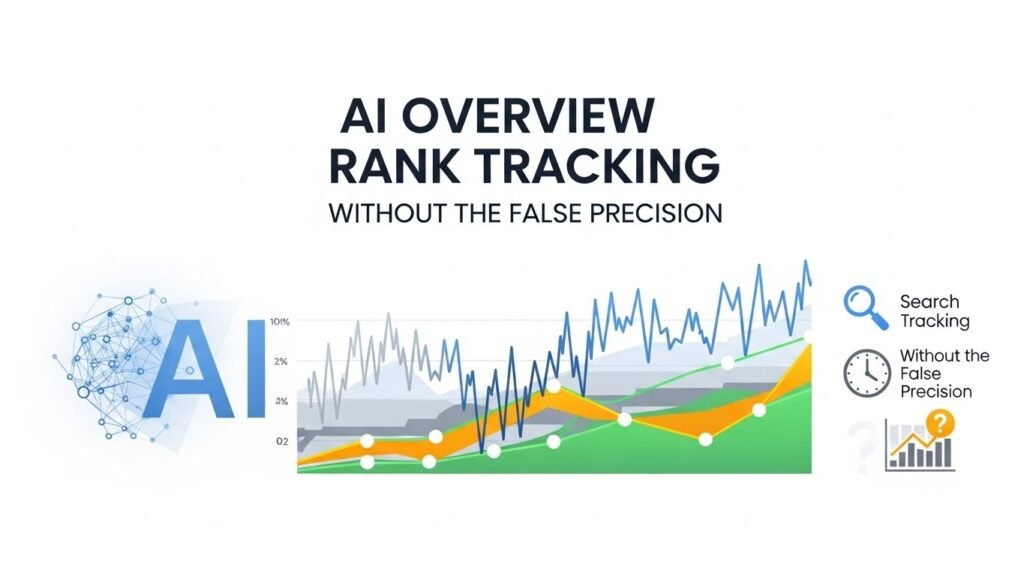
AI Overview Rank Tracking Without the False Precision

AI Overview Rank Tracking

AI+overview+rank+tracking tools frequently promise certainty and numbers, percentages, and clear winners as examples of their promises. But AI does not operate in such a way. It is probabilistic rather than deterministic. Ziptie steers clear of false precision. It thinks in terms of movement—involving trends, presence, and absence—much like how SEO Perth strategies focus on patterns and direction rather than rigid guarantees. It facilitates teams’ grasp of the idea rather than the exactness to which they cling but which does not exist anymore.

Ziptie AI Search Analytics and Brand Visibility

Ziptie AI search analytics uncovers a fact that the usual SEO tools never manage to reveal. Is your brand being trusted by AI systems? That trust, however, is not a two-state (binary) kind. It accumulates gradually. And it disappears silently.Being able to identify the brand’s position, frequency of brand references, and the context makes you rethink the brand’s authority. The profession of SEO is no longer limited to acquiring backlinks only. It has shifted to establishing brand consistency and reputation across the web.

Best AI Search Monitoring Tools

Most of the time, the answer depends on the particular perspective or the nature of the question being asked what are the best ai search monitoring tools. Some tools are geared towards experimentation. Others focus on diagnostics. Others are for competitive intelligence. Ziptie is a unique one in the set because it regards AI search as a comprehensive environment. Instead of singling out Google or any one interface, it examines how AI systems collectively interpret content.

Best AI Search Performance Monitoring Tools Compared

They all share one common trait: they accept that the search process is now non-linear. They do not offer simple solutions. Ziptie can be found in this group because it concentrates on interpretation rather than position. It is more about “winning” a keyword and less about “shaping” understanding over time.

Ziptie as an AI Search Tracker, Not a Rank Checker

Ziptie as an AI Search Tracker

An ai search tracker is quite opposite to a rank checker as far as their working is concerned. Placement is something which they don’t watch while Movement is something which they do watch. Influence is the primary factor rather than order.Ziptie is designed to work on this approach. It monitors how AI systems alter their responses in accordance with the content that is available. So it is just like for a long-term strategy instead of a short-term report.

Ziptie+LLC and the Philosophy Behind the Platform

Ziptie+LLC are not trying to replace SEO tools by building the platform. They built it to mirror reality and that distinction is significant.The philosophy is straightforward. AI search is interpretive. Therefore, monitoring must be interpretive too.Instead of imposing certainty, Ziptie facilitates teams in asking better questions.

Ziptie LLC Company Information and Market Position

Looking at ziptie llc company information shows a group of people who are more focused on the future evolution of search rather than changes of an incremental nature. The platform is not aiming at being a complete solution. Instead, it is deeply focused on one thing.That level of clarity is reflected in the tool’s avoidance of unnecessary features. It prefers quality insights to quantity of data. It opts for patterns over noise. Such restraint is quite rare in this domain.

Where Ziptie Fits Inside Modern SEO Workflows

Ziptie doesn’t substitute keyword research, or technical audits, or content planning tools. It is a supplement to them.They utilize it to check their hypotheses. To figure out the main reasons why content works differently within AI systems as compared to the traditional SERPs. It bridges the gap between creation and interpretation.

How Ziptie Changes Content Decisions

When content teams can pinpoint the exact pages that are responsible for influencing AI summaries, it becomes quite apparent that chasing volume is a futile exercise. Such teams take their updates to the next level, they consolidate the content and focus on overall clarity.Ziptie is incrementally transforming the method through which people produce and present content. Less noise and more signal is one of the difficult transitions faced by a lot of teams and it is also a necessary one.

Why Traditional Metrics Feel Increasingly Incomplete

Clicks are no longer the sole measure of effectiveness. Neither are impressions. Users get their questions answered by AI without having to click.Ziptie demonstrates the existence of metrics that are more reflective of the current mode of information consumption such as Influence, Presence, and Contribution among others.

Ziptie and Competitive AI Visibility

When it comes to competitive analysis under AI search, it’s no longer about outranking your competitors. Instead, it’s about getting cited more frequently or more consistently. Ziptie allows teams to recognize the competitors to whom AI systems give a higher level of trust. This piece of information not only alters the understanding of competition but also influences the way in which strategy is developed.

Reasons Why Ziptie Is Popular Among Enterprise Teams

Enterprise teams encounter challenges related to both scale and uncertainty. Hence, AI search introduces an additional level to both issues. Ziptie is a very helpful tool in that it lowers the level of uncertainty but without the pretense of completely getting rid of it. False confidence is avoided while giving a direction. This is one of the reasons why larger teams prefer to use it thoughtfully rather than impulsively.

The Learning Curve Is the Point

Initially, Ziptie doesn’t come across as a “simple” tool. That was by design. After all, AI search in and of itself is not straightforward. In a platform like this, self-motivated curiosity, pattern-spotting, and patience are all rewarded. The ones who search for instant answers are the least capable of handling the platform. The ones who are prepared to watch the trends will most likely succeed.

Where AI Search Monitoring Is Headed

There are no signs of AI search stabilizing in the near future as of now. Not only interfaces but also models will step up and expectations will change. This is precisely the reason why tools like Ziptie have been created, to keep up with change. And not to turn it into features on dashboards, which will become obsolete.

Why the Ziptie AI Search Performance Tool Exists at All

The ziptie ai search performance tool was created because, essentially, search has now stopped revolving around links and started focusing on understanding. What it tracks is the way in which meaning moves through AI systems.This is a feature which traditional SEO tools were not created for. And it is delaying progress to pretend that they are.

Letting the Data Breathe

Ziptie is not in a hurry to make any conclusions. It prefers observation over reaction.This is a similar way of thinking to that of the AI systems themselves. Gradual accumulation. Pattern emergence. Minor changes that are more important than spikes.

FAQs — People Also Ask

What does Ziptie AI Search Analytics track?
It tracks the presence of content and how it influences AI-generated search responses instead of just focusing on rankings.

Is Ziptie a replacement for SEO tools?
No. It acts as a complement to traditional SEO tools by concentrating on AI interpretation rather than just SERPs.

Who benefits most from Ziptie?
Primarily, content strategists, SEO leads, and enterprise teams that are making the transition to AI-driven search environments.

Does Ziptie track Google AI overviews?
It does, in fact, along with other AI-powered search surfaces where the content is synthesized.

Is AI search tracking reliable yet?
It is still under development. Ziptie focuses on patterns and trends instead of false ‍‌‍‍‌‍‌‍‍‌precision.


top ai cloud business management platform tools

Leading‍‌‍‍‌‍‌‍‍‌ AI-powered cloud business management platform tools have ceased to be a niche or experimental thing. Instead, they are silently working behind the scenes in the systems that many companies already utilize. And generally, most people don’t even comprehend to what extent decision-making has been entrusted to them.

Invisible AI Tools — The Reason behind Disappearance

The main impact of AI tools for businesses is not in speed or automation. It is in making the changes subtle. Top-rated facilities never reveal themselves first. They just help the work of the employees to be less stressful, speed up the decision-making process and reduce the number of errors. If AI is functioning well, the team will stop discussing it and start using it without any doubts.

That is also cloud platforms’ point in the game. AI requires a constant flow of data, updates, and the ability to scale. Cloud is the right backbone for all of that. Without it, even the most brilliant AI tool would be very cumbersome and totally out of sync.

Cloud Management as the Basis of Present-day AI

Cloud Management

Cloud management may not be shiny, but it is necessary. AI machines work with accurate data, have a flexible infrastructure, and operate in a safe environment. If cloud management is imperfect, AI becomes unstable. However, if it’s strong, AI feels human-friendly. Over time, the most common cloud platforms will quietly introduce AI functions into their control panels, drawing from broader artificial intelligence systems to trigger predictive alerts, reallocate resources automatically, and forecast issues before they surface.

AI Apps Top the List of Troublesolvers

Most of the time, top AI apps won’t directly replace humans. They just simply get rid of the source of the problem. For example, schedule conflicts, report delays, manual approvals, and repetitive analysis are small inefficiencies that can add up to significant time waste.That’s why some companies find it hard to define the best ai tool. One tool is just not enough. It is the combination of different tools working harmoniously within a cloud ecosystem that create ai. AI is gradually becoming less of a feature and more of an enhancer of the workflow.

A Best AI App and a Best AI Assistant are Two Different Things

People very often wonder what is the best ai app, but in fact, that question without a context doesn’t make sense. A single app concentrates on one task, whereas an assistant facilitates decisions based on multiple tasks. A best ai assistant that is integrated into a business platform does more than just responding to queries. It gets tasks done by prioritizing, suggesting, and even flagging risks.

Within cloud platforms, assistants are tasked with monitoring user activities, performance, and detecting any anomalies that might occur. They don’t need to be told what to do next, in fact, they can reveal hidden problems even before team members have a chance to notice them. That is where real value lies.

Leading AI Apps Are Covered in Cloud Platforms

Lots of the top AI apps have now become parts of the major cloud platforms rather than stand-alone products. CRM systems that predict customer churn, finance platforms that identify fraud, HR software that forecasts hiring needs are all examples of this shift. It is certainly this connection that makes all the difference. AI that is incorporated into actual business data can build real contextual understanding, recognizing patterns instead of reacting to isolated commands. Over time, this also reshapes how teams work, placing more emphasis on judgment, collaboration, and employability skills rather than on consulting a separate tool every time a decision needs to be made.

Best AI Tools for Business and Decision Support

Best AI Tools for Business

The best ai tools for business aim to provide the leaders with decision-support rather than simply being focused on automation. These tools enable leaders to get answers to their questions quickly. What is hindering growth? In which areas are the hidden costs? What are the teams that need help?

AI quietly takes care of the analysis. People make the decisions. Such a combination keeps the trust intact and, at the same time, allows for the

AI Powered Collaboration Platform Tools

One might expect that an ai powered collaboration platform — in addition to connecting people — would also understand the nature of their working relationship. However, the situation is quite different. After a meeting, the platform can provide a summary of the major points that were discussed, along with the list and order of tasks. Those tools help to reduce the operational inefficiencies caused by excessive communication.

When one considers remote work teams, the significance of this goes even further. There are many variables such as different time zones, workload, and communication styles when AI can simply help to maintain clarity. Collaboration becomes less about reacting to each other’s demands and more about working towards a shared goal.

Best AI App Choices Are Driven by Business Maturity

Start-ups and enterprises have different requirements for their best ai apps. Early-stage teams require the easiest solutions. Developed companies need to be more productive. That is the reason why cloud platforms present AI tools as modules.As the company grows, AI gradually evolves with it. The more precise the forecasting becomes, the deeper the insights. In place of a totally new system, the same one is being advanced. A user will feel more confident due to this kind of continuity.

Top AI Tools and Cloud Platforms Working Together

The real power shows up when top ai tools work across cloud platforms. Finance talking to operations. Sales data informing supply chain decisions. HR insights feeding into workforce planning.AI connects dots humans rarely have time to align manually. It doesn’t invent answers. It reveals patterns. And those patterns shape better strategy over time.

Best AIs Are Boring by Design

The best ais aren’t flashy. They don’t demand attention. They quietly optimize. Reduce waste. Highlight risk. This “boring” quality is intentional.When AI becomes noticeable, something is often wrong. Either it’s over-promising or under-delivering. Mature AI systems blend into daily operations until teams can’t imagine working without them.

10 Uses of Artificial Intelligence in Daily Life at Work

AI has already become an integral part of everyday work activities at a very subtle level.

Eventually, in a cloud environment, such usage patterns scale automatically and effortlessly. AI learns users’ behavior, remembers their preferences, and continuously raises the bar of its performance. What seems like a small thing when taken individually turns out to be a real game changer when combined.

Cloud Platforms and AI Governance

Cloud Platforms and AI Governance

With great power comes great responsibility, right? And so cloud platforms have started incorporating, quite visibly, AI governance tools.A business organization cannot simply rely on a black-box when it comes to decision-making. Customer trust is a direct consequence of how transparent the company’s process is. AI governance helps to keep the technology in line with not only the values of the organization but also the law and ethics.

AI Tools for Business Analytics Without Overload

Analytics overload is definitely a problem. There are dashboards everywhere. There are metrics everywhere. AI in this case helps in prioritizing only the essentials.

Apart from presenting all kinds of data, AI is used to identify deviations, the latest trends, and potential hazards. It informs without overloading; at the same time, the speed of decision-making increases because the recipient’s cognitive load is lessened. Analytics overload is definitely a problem. There are dashboards everywhere. There are metrics everywhere. AI in this case helps in prioritizing only the essentials.

Best AI Tool Selection Is About Fit, Not Hype

In picking out the best ai tool, one ought not to think about features. It is rather related to how well it fits in. For example, whether it can be integrated into your current system, whether the employees are ready for it, and whether your data is of high quality.

Quite often, tools don’t make it because they are unable to blend with the existing workflows not because they are inherently bad. The best implementations give a feeling of something natural right from the very first day.

Security and Trust in AI Cloud Platforms

In order to work, AI systems require data. However, cloud platforms go beyond that in ensuring that the data is safe, separated from other data, and its constant control is carried out. It isn’t optional, security is foundational.

Currently, platforms are harnessing the power of AI in their security features. Using AI in threat identification, anomaly detection, and assessing of access patterns. It is therefore logical that AI secures its own environment.

AI and Cost Optimization in Cloud Management

Among the overlooked advantages of utilizing AI in cloud management stands the ability to control the expenditure of a company. Learning about the spikes in usage. Faciliating the change of resources according to demand. Detecting the areas of wastage.

This is exactly the way in which these minor tweaks add up to the larger effect and thus, the financial visibility of an organization is no longer dependent on manual auditing. Efficiency, in this case, is still made automatic but it is no longer reactive.

Teams that want to put these platforms into practice can start with AI workflow automation for small business, using narrow tasks, approval gates and reversible actions before connecting live customer or financial data.

Human Oversight Still Matters

In spite of all inventions, humans are still the very centre of everything. AI suggests. People decide. The most stable systems could be the ones that allow a healthy human and AI boundary to exist.

Trust is made stronger when AI complements rather than replaces human judgement. These companies that successfully manage the balance of the two elements are the ones who experience higher adoption and get better outcomes over the long haul.

Comparison of AI Capabilities in Cloud Platforms

Capability Without AI With AI
Forecasting Manual Predictive
Resource allocation Static Dynamic
Risk detection Reactive Proactive
Collaboration Fragmented Context-aware
Cost control Delayed Real-time

The chart above is very tidy. However, real life is a whole lot less neat. Nevertheless, correctly, it points out the direction.

Top AI cloud business management platform tools Future

Top AI cloud business tools

The development and innovation of top ai cloud business management platform tools are inevitable. They will continue to fade into the background. Less interface. More intelligence. Fewer commands. More anticipation.People will stop perceiving AI as a software tool and more as an infrastructure. It would be something that you could rely on even without knowing that you are doing it.

FAQs — People Also Ask

What are AI tools for business utilized mostly?
Decision support, automation, forecasting, and collaboration enhancement.

Which is the best AI app for businesses?
This question cannot be answered simply because the best choice is dependent on the size, industry, and workflow of the organization.

What is the role of cloud platforms in the support of AI tools?
They offer scalability, data access, security, and continuous updates whatever the case may be.

Are AI powered collaboration platforms displacing managers?
No. They are merely supporting functions that are coordination and insight, not leadership or judgment.

Is the use of AI in cloud management costly?
The costs differ, but, mostly, AI is the one that brings down the long-term operational ‍‌‍‍‌‍‌‍‍‌costs.


AIoT Explained | AI in Smart Devices and Daily Life

0

Artificial intelligence may sound like a complicated technology topic, but it is already part of everyday life. Most people use AI without noticing it. It helps phones suggest replies, maps choose faster routes, email apps filter spam, and streaming platforms recommend what to watch next.

But AI becomes even more powerful when it connects with smart devices and sensors. This combination is often called AIoT, which means Artificial Intelligence of Things. In simple words, AIoT combines artificial intelligence with the Internet of Things, or IoT. It allows connected devices to collect data, learn from it, and respond more intelligently.

This is why AIoT matters. It does not only make one device smarter. It helps many connected devices work together.

What Is AIoT?

AIoT means the combination of artificial intelligence and IoT. IoT is the network of physical devices that collect and share data through sensors, software, and internet connectivity. AI helps those devices understand patterns, make predictions, and support better decisions.

For example, a normal security camera records video. An AI-powered smart camera can detect movement, recognise the difference between a person and a pet, and send an alert only when needed.

That is the difference. IoT collects the data. AI understands the data. Together, they create smarter connected systems.

For a beginner, the easiest way to understand AIoT is this: smart devices do not just connect anymore; they can also react, learn, and improve over time.

What Is Artificial Intelligence With Daily Examples?

Artificial Intelligence in Smart Devices

Artificial intelligence is technology that allows machines to perform tasks that usually need human-like thinking, such as learning, recognising patterns, solving problems, and making decisions. IBM describes AI as technology that enables computers and machines to simulate human learning, problem-solving, decision-making, and related abilities.

You already see AI in daily life through:

  • Email spam filters
  • Google Maps route suggestions
  • Voice assistants
  • Product recommendations
  • Face unlock on phones
  • Auto-correct and predictive text
  • Smart photo sorting
  • Customer support chatbots

For a deeper beginner guide, you can also read what is artificial intelligence.

How AI Works in Smart Devices

AI in smart devices works by using data from sensors and then applying models to detect patterns. The device may collect information about movement, sound, temperature, location, energy usage, or user behavior.

For example, a smart thermostat can learn when people are usually home and adjust temperature automatically. A smart washing machine may adjust its cycle based on load size. A robot vacuum may map rooms and clean more efficiently over time.

These devices do not “think” like humans. They follow trained models and rules based on data. Still, the result can feel intelligent because the device responds to the situation.

AI in Everyday Life Without the Buzzwords

Many people do not call it AI when they use it. They call it convenience.

When Netflix recommends a show, that is AI. When your phone groups photos by face or location, that is AI. When Gmail suggests the next few words in your sentence, that is AI. When an online store recommends products based on your browsing history, that is also AI.

These examples may look small, but they save time. They reduce effort. They make digital tools feel more personal.

AI is not always dramatic. Most of the time, it works quietly in the background.

Artificial Intelligence in Internet of Things Networks

Artificial intelligence in Internet of Things networks helps connected devices work together instead of acting alone. This is where AIoT becomes more useful.

A smart traffic system is a good example. One traffic light can only manage one road. But if many traffic sensors and traffic lights share data, the system can respond to congestion more intelligently.

The same idea applies to buildings, factories, farms, hospitals, and energy systems. Devices collect data, AI studies the pattern, and the system adjusts.

This type of connected intelligence is also part of larger digital transformation agency work, where businesses use technology to improve operations and decision-making.

Applications of AI in Industry

AIoT is very useful in industries because it can reduce waste, improve safety, and prevent problems before they become expensive.

In manufacturing, sensors can track machine health. AI can study vibration, temperature, or usage patterns and predict when a machine may fail. This is called predictive maintenance.

In agriculture, AIoT can help monitor soil moisture, crop health, and weather conditions. In logistics, it can support route planning and delivery tracking. In retail, it can help forecast demand and manage stock.

These applications may not look exciting to the average person, but they help companies save time, money, and resources.

AI in Transportation and Mobility

AI is already changing transportation systems. It can help predict congestion, manage traffic flow, improve public transport schedules, and support route planning.

Navigation apps are a simple daily example. They collect road and traffic data, then suggest better routes. More advanced systems can help cities manage traffic lights, parking, and public transport movement.

This connects strongly with modern transportation technology, where data, sensors, automation, and AI work together to improve movement.

The goal is not always perfection. Sometimes, the goal is fewer delays, fewer errors, and smoother travel over time.

AI in Healthcare Monitoring

Healthcare AI is usually designed to support doctors and medical teams, not replace them.

AI can help detect patterns in scans, monitor patient data, identify risk signals, and support early alerts. For example, wearable health devices can track heart rate, sleep, movement, and other signals. AI can then help identify unusual changes.

However, healthcare is a high-trust area. AI results should be reviewed by trained professionals. The system may support decision-making, but human supervision remains important.

AI in Customer Service

Customer service chatbots are one of the most common uses of AI. They can answer basic questions, route requests, collect details, and send difficult cases to human agents.

When designed well, AI chatbots save time for both customers and support teams. When designed poorly, they can frustrate users.

That is why AI should support better customer care and service, not make customers feel ignored. The best systems know when to automate and when to involve a real person.

AIoT and Machine Learning

What is Machine Learning

AIoT depends heavily on data and machine learning. Machine learning helps systems find patterns in data and improve responses over time.

For example, a smart factory system may learn which machine signals usually appear before a breakdown. A smart building may learn energy usage patterns and adjust lighting or cooling automatically.

The more useful data the system receives, the better it can become. But if the data is poor, incomplete, or biased, the results can also be poor.

Risks of AI in Connected Systems

AIoT has benefits, but it also creates risks. Connected devices collect a lot of data. That can raise privacy and security concerns.

Common risks include:

  • Data misuse
  • Weak device security
  • Biased AI decisions
  • Overdependence on automation
  • Lack of transparency
  • Poor human oversight

This is why AI should not be used blindly. People must understand what data is collected, how decisions are made, and who is responsible when something goes wrong.

Human judgment still matters. AI can support decisions, but it should not remove accountability.

How to Use AI More Safely

Most people do not need technical skills to use AI safely. They just need awareness.

Use AI tools carefully. Do not share private information unless you trust the platform. Review AI answers before acting on them. Check important facts. Understand that AI can make mistakes.

If you are new to AI, start with simple tools like writing assistants, search assistants, or productivity apps. You can explore useful options in this guide to AI tools and then move toward more advanced uses like generative AI.

Final Thoughts

AIoT is not about robots taking over the world. It is about connected devices becoming more useful through data and artificial intelligence.

Smart homes, transport systems, healthcare monitoring, factories, farms, and customer service platforms are already using AI in quiet but powerful ways. Most of the impact happens in the background. Devices collect data. AI finds patterns. Systems respond faster.

The key is balance. AI can improve decisions, reduce errors, and save time, but it still needs human oversight. The smartest future is not one where machines replace people. It is one where people use intelligent systems responsibly.

FAQs

What is AIoT?

AIoT means Artificial Intelligence of Things. It combines AI with IoT devices so connected systems can collect data, analyse it, and respond more intelligently.

How is AI used in everyday life?

AI is used in maps, search engines, email filters, streaming recommendations, smart home devices, voice assistants, and online shopping suggestions.

What is artificial intelligence in Internet of Things?

It means using AI inside connected IoT networks so devices can understand data, detect patterns, and support automated decisions.

Do I need technical skills to use AI?

No. Most AI products are built for normal users. You only need to give clear instructions and review the results carefully.

Is AI replacing human decision-making?

AI supports decision-making, but it should not fully replace human judgment, especially in healthcare, finance, safety, and privacy-related areas.

What are examples of AIoT?

Examples include smart cameras, smart thermostats, traffic sensors, predictive maintenance systems, wearable health devices, and smart factory equipment.


Ramzan Package Explained: Relief During Rising Prices 2026

0

The‍‌‍‍‌‍‌‍‍‌ ramzan package only happens to be the most noticeable time when the little extra from households is almost nonexistent. Food prices go up, expectations go up, and even the most ordinary groceries suddenly make you feel like you have been robbed. At the limit of their finances, these packages are the silent interpreters of a Ramzan which is hard or easy for the majority of families.

What Does Ramzan Package Mean?

Indeed, Ramzan causes significant changes in consumption patterns literally overnight. Meal habits change. Grocery list gets longer. Things that can last for weeks now need refilling in a matter of days. Initially, the idea of a ramzan package was not about luxury. It was about maintaining stability. The ability to keep basic foodstuff within the reach of a person during a month that focuses on patience and self-control.

However, after many years, the symbol has become the reality to some extent. It turned from charity to a kind of structured support. And that difference is not a small one.

Government Ramzan Package Offering and Inflation

Generally, a government ramzan package comes in at the time when inflation is biting severely. What first becomes the source of pressure in this situation are the flour, sugar, and cooking oil.Therefore, government intervention during Ramzan period is not merely political. The intervention is a reaction to the fact that the markets are pretty much unaffected by religious months.

Prime Minister Ramzan Package and How It Presents the Government

Besides the relief that subsidies bring, prime minister ramzan package is often the one that delivers the message. The presentation that the state is keeping an eye on the situation and able to listen, at least during this critical period. Thus, the prime minister’s Ramzan package has a dual dimension. In the short term, it provides a relief, while, in the long term, it serves as a stabilizing messaging-fixture amidst economic and social uncertainties—much like broader safety nets such as health insurance that quietly reinforce household security beyond immediate assistance.

Benazir Income Support Ramzan Package and Its Direct Impact

Benazir income support ramzan package differs in the way it provides general subsidies. It is more about attacking the households in a more direct way which are vulnerable due to socio-economic reasons.Thus, the package instead of just imposing price controls, gives the families the freedom of choice through cash assistance.

BISP Ramzan Package and the Role of Women

The bisp ramzan package generally is delivered in direct contact with those women-led households that get assistance through the program. The women recipients’ role in the family and influence on the decision regarding the household expenditure are some of the factors.Research findings from many countries have consistently shown that women spend an especially high proportion of the income that comes to them directly on food, health expenses, and education.

Ramzan Package List and People Expectations

The consumers mostly expect a ramzan package list to be very simple. The product list would include basic food commodities like wheat flour, sugar, cooking oil, rice, lentils.The thing is not lack of generosity that households get frustrated about. The issue is inconsistency. If one day an item gets changed or even removed, it would make any kind of planning for the month impossible.

Utility Stores as Distribution Channel

Utility stores are the main point of contact for the consumers who receive the packages from the government. People know them well, they are easy to get to. On the other hand, they can be overcrowded. But still, they are the places where people usually shop.Therefore, the state needs to have a stringent policy on stock management at utility stores to prevent frequent long lines and limited stock that cause the loss of trust very fast. The relief package works only if it does not undermine people’s dignity.

Private Sector Ramzan Packages Market and Competition

Private ramzan packages add a positive competitive pressure to the overall market system. Competition inevitably leads to greater transparency. Prices remain visible and the overall quality is better.They are not replacements of government interventions but can work as the fillers of gaps especially for those households which are barely ineligible in the public programs.

Distribution Issues That Are Often Not Revealed

Every year the same problems are discussed again. Delay, incorrect stock, lack of communication, etc. All these issues are no surprise.What has changed is the patience of the public. It is now at a very thin level. People expect things to work especially during the holy month when one is expected to be in a state of control.

Unequal Reach of Packages and Rural Area Access

While the supplies are usually first enough in major cities, people in the countryside have to wait for longer until they get their turn. However, there are times when they have to wait too long.The main factors that contribute to the slow process of countryside distribution are transportation costs, the problem of storing the goods, and all the resulting administrative procedures.

Digital Registration and Doubts Surrounding Eligibility

The real intention behind digital systems was to make people’s access simple. However, the reality is that sometimes those systems do perform their function and sometimes they don’t. One can mention old people applying for help, or connection problems, or delays in verification as some of the factors that technology and digitalization aim to improve—especially in areas like health insurance in Australia—but at the same time those elements still exist, even if to a smaller extent. The point is, there are still some frictions in the process that cannot be eliminated yet.

Cash vs Goods: Which is better?

One advantage that cash has over goods is that it provides choice. On the other hand, price-control is the way subsidies operate. Despite having different advantages as well as disadvantages.Most of the time, the families would prefer cash while governments would choose price control, but the proportion between the two changes every year.

Why Do Packages Seem Smaller Every Year?

In reality even the set package values might be higher on paper, purchasing power in no way is catching up. Inflation usually quietly takes advantage of the relief.For this reason, it is important that perception is positive. As long as the families feel the relief is diminishing, confidence in the whole system will also decline.

Ramzan Package and Society’s Unspoken Norm

Ramzan Package and Society

It was expected that Ramzan will always be a time of generosity, hence, a time of calm and ample occasion. When packages are lacking, the feeling of disappointment is unusually strong compared to other months. The one thing that makes this emotion so strong is timing.

Community support as the missing link

In the places where the official systems fail to reach the people, mosques, non-governmental organizations and the villagers’ groups are filling the gap.Although those initiatives cannot be scaled, they can be recognized as deeply personal. And this personal dimension carries a lot of weight.

Transparency and the Necessity of Communication

When communication is clear, people do not panic as much. And if the consumers know what is available and when they get it, their stress levels will naturally decrease.A lack of information will lead to rumors. Besides, rumors will spread quicker than the truth.

A Simplified Picture of Different Ramzan Package Types

Type Primary Focus
Government ramzan package Price control
Prime minister ramzan package National relief
BISP ramzan package Cash assistance
Benazir income support ramzan package Household targeting
Private retail packages Discount bundles

The table looks simple. Implementation never is.

What do people really want?

Not perfection. Just predictability. Fair access. Timely delivery.The majority of families are able to make changes when the expectations are clear. It is really the uncertainty that weighs the most.

Conclusion

The Ramzan package, by itself, is not an answer to the problem of poverty. It is more of a pause, a little time out, a slight relief in the pressure during this demanding month.If it is successful, you hardly notice it as it becomes part of the everyday. But if it is not, then, of course, everyone notices immediately.

And it happens to be the case that the topic comes up again the following year.

FAQs — People Also Ask

What does a ramzan package include?
It is a relief initiative offering either a food subsidy or cash aid during Ramzan.

Which households are eligible for the BISP ramzan package?
Those bisp-certified low-income families already registered under BISP programs.

Does the prime minister ramzan package covers the entire country?
Yes, but access and some of the stock levels may differ by region.

Can we get ramzan packages from private stores?
Certainly, Imtiaz as an example, has an offer of discount packages during Ramzan.

Why are ramzan package changes happening every year?
Package design gets influenced by the factors such as inflation, budget constraints, and supply ‍‌‍‍‌‍‌‍‍‌situations.


Polytechnic Artificial Intelligence and Practical Learning

Polytechnic‍‌‍‍‌‍‌‍‍‌ artificial intelligence is not about abstract theoretical concepts or futuristic hype. It’s more about discovering how AI actually operates in real workplaces. Silently, practically, and occasionally in the ways people don’t even recognize at first.

Why Artificial Intelligence and Polytechnic Education Are a Perfect Match

A polytechnic had its focus on applied learning from the beginning. Skills that are functional even outside the classroom. This is why polytechnics have naturally become a hub of artificial intelligence education as the field changes rapidly, too fast for purely theoretical models to keep up. Besides merely learning what AI should be capable of, students also get to observe how AI really works in some existing systems.In contrast to traditional academic routes, a polytechnic puts emphasis on employable outcomes. That is significant in a case where the tools evolve at a yearly basis. The focus remains on being adaptable, not on memorizing. Which, truth be told, is a great fit for AI.

Melbourne Polytechnic Epping and the Practical AI Environment

Polytechnic Epping and the Practical AI

Melbourne Polytechnic Epping has gradually evolved into a place where technology is at home. The campus does not market AI as magic. It considers AI as infrastructure. Something, you erect, test, adjust, and sometimes fix it when it is broken.Students at Melbourne Polytechnic Epping are introduced to the real applications of AI very early. The campus does not present AI as a single entity but rather as an integral part of a broad digital workflow system. Such a teaching method makes the learning process attractive instead of scary.

The Real Meaning of Polytechnic Artificial Intelligence

It is commonly assumed that polytechnic artificial intelligence refers to robot coding or the invention of sentient systems but such understanding is far from the truth. It is more about decision support, automation, data interpretation, and user-facing tools.They interact with the same systems that are transforming business, healthcare, and education. Not hypothetical ones. Real software. Real constraints. This kind of exposure alleviates fear and builds confidence, which is more important than most people realize.

Artificial Intelligence What It Really Is (And Isn’t)

Still, the question “artificial intelligence what” is frequently asked. AI is not human consciousness. It does not have the ability to think or feel. Examines patterns. It forecasts results based on the information available. And, it can only function well when the assumptions built into it are accurate.Comprehending this helps to remove a great deal of unnecessary tension. Polytechnic programs make this point clear right from the start. Students find out where AI is unable to deliver human judgment and where the latter takes over. This line is very important.

Learning AI Through Artificial Intelligence Apps

Artificial Intelligence Apps

The development of an artificial intelligence app is in fact the stage at which students experience the transition from concept to actuality. Apps reveal the limitations of AI pretty fast. Garbage in, garbage out. Bias is evident from the first moment. The rare case situations cause the breakdown of systems. Polytechnic courses embrace this appliance of stress. Rather than turning away from flaws, they confront them. Students are provided with the skills to find faults, repeat the process, and communicate the most complex AI features to users without a technical background—skills closely aligned with real-world software engineering practices. And, honestly, that’s most of the job.

Artificial Intelligence Generated Content in Education

Artificial intelligence generated content have in some sense, taken over the writing, designing, and communication world. Polytechnic programs neither prohibit it entirely nor do they worship it. They put it into a proper context.Students are taught not only by artificial intelligence to generate text, images, and other outputs, but they also get to know the instances of failure. Them hallucinations. Overconfidence. Repetition. By turning these weaknesses into a plus, professionals will become more effective rather than less.

Artificial Intelligence Characters and Human Interaction

Artificial intelligence characters appear in games, simulators, and customer service bots. They are not just technical entities; they are also psychological. Even if people are aware that these are artificial, they still quite emotionally react to them. Polytechnic courses examine such kind of interaction between the two. For instance, the role of tone in engendering trust is analyzed, much like the human-centered thinking behind a digital transformation agency. The way how the timing of a response affects the perception is also discussed. These might sound like soft skills but they are such design features that have a real impact.

Free Artificial Intelligence Chat Tools as Learning Ground

Free artificial intelligence chat tools have already turned into informal classrooms. Students check their understanding by testing different ways of saying things, developing their reasoning skills, and questioning the proposed solutions. Polytechnic education doesn’t turn a blind eye on such tools. It instructs on responsible tool usage.Knowing when a free tool aids your work and when it distorts it is a part of maturing. This wisdom cannot be attained if the tools remained banned. It results from guided utilization.

Microsoft Artificial Intelligence in Polytechnic Contexts

Microsoft artificial intelligence platforms are normally present in applied training environments. Not due to the fact that these platforms are perfect, but because they are widely used. Exposure matters.Students find out how AI tools at the enterprise level are compatible with the existing systems. Moreover, licensing, security, and governance aspects are also included in the discussion. Through this process, AI transforms from being experimental to becoming operational.

Paraphrase Artificial Intelligence and Academic Integrity

Artificial Intelligence and Academic Integrity

Paraphrase artificial intelligence technologies raise intriguing and multifaceted issues in the educational sphere. Polytechnic programs usually tackle this problem head-on. Is paraphrasing merely an aid or is it a way of substitution?Students are made aware that AI is a helper not a replacer. This attitude safeguards both integrity and skills. The dividing line is important, and ignoring its existence is of no help to anyone.

What About Artificial Intelligence and Job Anxiety?

One of the questions that often popped up and was asked repeatedly in different classrooms is, “What about artificial intelligence taking jobs?” Polytechnic education doesn’t just brush aside the worry. It gives it a new perspective.Instead of roles, AI replaces tasks. Students are taught, first of all, to work with machines. To collaborate with them. To develop and manage them. The transformation of fear into strategy is a result of the change in focus.

Artificial Intelligence Helper Tools in Daily Workflows

An artificial intelligence helper probably wouldn’t be recognized as a robot if seen on the street. Rather it might be established as a scheduling tool, recommendation engine, or quality checker that never takes a break. A polytechnic student is taught to judge the worth of a helper based on whether or not it is useful, rather than if it is novel. Does it help to eliminate errors? Save time? Make things clearer? If the answer to the three questions is negative, then it is just noise.

Open Polytechnic Models and Flexible AI Learning

Open polytechnic has broadened the chances for people to get AI education. Flexible offerings are the best fit for the ones who are already working, changing careers, or simply coincidentally trying it out. AI skills are no longer the exclusive privilege of full-time students. Open models accurately represent the present mode of learning. Incrementally. Alongside life.

Polytechnic Institute Australia and Industry Alignment

Typically, a polytechnic institute across Australia works hand in hand with the industry partners. That partnership has got a stronger impact on the curriculum than the academic trends. This is where the industry needs the personnel who can implement, explain, and maintain the systems. Not only theorize them. That is precisely where the fold of Polytechnic lays its response to the industry needs.

Epping Polytechnic and Regional Technology Growth

Epping polytechnic education relates to the advancing of technology in the vicinity of the non-metropolitan areas. AI competencies are no longer solely limited to the central business district (CBD) offices. Regional campuses enable students to get exposed to the local ways of applying technology. Medical system. Traffic management. Social welfare. AI is only one factor among many that shape regional development, local living and global interaction. It is only proper that education adapts as well.

Ethics and Responsibility in Polytechnic AI Training

Ethics is not a separate module which is added at the very end as a kind of afterthought. In top-notch polytechnics, it is thoroughly integrated across all courses. Data privacy. Bias. Accountability. Students are prompted to find out who gets what and who doesn’t. This question will most probably still be at the core of the debate beyond the students’ time in the university.

A Simple Snapshot of Polytechnic AI Focus Areas

Area Practical Focus
App development Real-world deployment
AI content tools Evaluation and limits
Enterprise platforms Integration skills
Ethics Applied responsibility
Human interaction Trust and usability

The table appears neat and orderly. In reality, the projects are often quite messy.

Why Polytechnic Artificial Intelligence Appeals to Career Changers

Polytechnic AI programs are generally highly selective and very successful in working with career changers. The learning is very practical and the results are visibly achieved. People do not have to become “geniuses” under so much pressure anymore, but competent instead. This is a great relief to many people. Anyway, competence is much better scalable than genius.

The Learning Curve Feels Steep Until It Doesn’t

When people first get into AI, they are likely to find it very intimidating. Strange terminology. Unfamiliar tools. Higher expectations. Polytechnic settings do not deny these feelings. One layer at a time progress is made. One system at a time. One mistake at a time. Gradually, the confidence is little by little becoming mute.

Where This All Tends to Lead

Nobody leaves the institution as an AI prophet. They are problem solvers who understand systems well enough to work with them. That’s the thing that really matters. Stability. Not spectacle.

FAQs — People Also Ask

What is polytechnic artificial intelligence?
A polytechnic artificial intelligence program focuses on applied AI education, real-world systems, and practical outcomes.

Is Melbourne Polytechnic Epping a good venue for AI studies?
The campus offers a hands-on learning environment that is in line with the needs of the industry.

Do polytechnic AI programs require the students to have some coding background?
Having a basic knowledge is an advantage but a lot of programs in the beginning start at the foundational level.

Can AI be learned through open polytechnic models?
Yes, flexible delivery is a good match to working professionals and career changers.

Will AI replace jobs graduates train for?
AI changes how tasks are done, not the whole professions. Polytechnic education is a reflection of ‍‌‍‍‌‍‌‍‍‌that.


SEO Perth: Local SEO Strategy for Small And Growing Businesses

0

SEO Perth is not just about ranking a website for a local keyword. For Perth businesses, SEO is about being visible when real customers are searching for nearby services, trusted providers, and practical answers.

A business in Perth does not compete in the same way as a business in Sydney or Melbourne. The market is smaller, more concentrated, and often more relationship-driven. That means generic SEO advice is not enough. Perth businesses need local search visibility, clear website structure, strong trust signals, useful content, and consistent tracking.

This guide explains how SEO in Perth works, what local businesses actually need, and how to choose the right SEO company, agency, consultant, or long-term strategy.

Why SEO in Perth Works Differently

Perth has a unique business environment. The city is geographically isolated compared with Australia’s east coast, and many industries operate within tighter local networks. That changes how people search and how businesses compete online.

A customer looking for a plumber in Joondalup, a dental clinic in Subiaco, a lawyer in Perth CBD, or a café in Fremantle is usually not casually browsing. They are often ready to compare, call, book, or visit.

That is why local intent matters so much.

Strong SEO Perth strategies usually focus on:

  • Local keywords
  • Suburb-based search intent
  • Google Maps visibility
  • Service page clarity
  • Reviews and trust signals
  • Technical website health
  • Useful content that answers real customer questions

Ranking is important, but ranking alone is not the full goal. The real goal is to appear in front of the right people at the moment they are ready to act.

What SEO Perth Really Means

SEO Perth means improving your online visibility for searches connected to Perth, nearby suburbs, and local customer needs.

That can include searches like:

  • SEO company Perth
  • Local SEO Perth
  • Emergency plumber Perth
  • Family lawyer Perth CBD
  • Dentist Subiaco
  • Accountant Joondalup
  • Digital marketing agency Perth
  • Best café Fremantle
  • Web design Perth small business

The keyword changes depending on the industry, but the principle stays the same. Google needs to understand who you are, what you offer, where you operate, and why your business deserves to appear above competitors.

Good SEO connects three things:

  1. What your business offers
  2. What local customers search for
  3. What Google can confidently understand and trust

When those three things are aligned, SEO becomes much more predictable.

Local SEO Perth: Why Google Maps Matters

For many local businesses, Google Maps visibility can be just as important as website rankings.

When someone searches for a nearby service, Google often shows the map pack before traditional organic results. That means your Google Business Profile can influence calls, direction requests, website visits, and customer trust before someone even reaches your site.

This is why Google Business Profile optimisation should be part of any serious local SEO Perth strategy.

A strong profile should include:

  • Correct business name
  • Accurate address or service area
  • Local phone number
  • Website URL
  • Opening hours
  • Proper business categories
  • Services
  • Photos
  • Reviews
  • Regular updates
  • Questions and answers

Many businesses create a Google Business Profile once and then forget about it. That is a mistake. A neglected profile can slowly lose trust, especially if competitors are adding photos, collecting reviews, answering questions, and keeping their details fresh.

SEO Company Perth: What Businesses Usually Get Wrong

Many businesses start searching for an SEO company Perth-wide only after traffic drops or leads slow down. That is understandable, but panic often leads to poor decisions.

The biggest mistake is choosing based on promises instead of process.

Be careful with any SEO company that promises:

  • Guaranteed number-one rankings
  • Overnight results
  • Hundreds of backlinks quickly
  • Very cheap monthly packages with vague deliverables
  • Reports that show rankings but no business outcomes
  • Content that sounds generic and could fit any city

SEO should not feel mysterious. A good SEO company should explain what they are fixing, why it matters, and how progress will be measured.

The right provider will usually start with:

  • Technical audit
  • Keyword and competitor review
  • Content gap analysis
  • Google Business Profile review
  • Internal linking review
  • Indexing and crawlability checks
  • Conversion review
  • Tracking setup

Without these basics, SEO becomes guesswork.

SEO Agency Perth vs SEO Consultant Perth

A common question is whether to hire an SEO agency Perth businesses recommend or work with an independent SEO consultant Perth-based.

The right answer depends on your business size, budget, and support needs.

An SEO agency may be better if you need:

  • Content writers
  • Technical SEO support
  • Link building
  • Reporting
  • Multiple campaigns
  • Website developers
  • Local SEO and paid ads support

A consultant may be better if you need:

  • Strategy
  • Audit guidance
  • Personal attention
  • A smaller monthly budget
  • Help understanding what is wrong
  • Advice before hiring a full agency

The size of the provider matters less than the quality of thinking. A large agency with weak strategy can waste money quickly. A skilled consultant with a clear process can produce better results for a smaller business.

The best choice is the one that understands your industry, your customers, and your local competition.

SEO Services Perth Businesses Actually Need

Most Perth businesses do not need complicated SEO tricks. They need the fundamentals done properly and consistently.

Important SEO services Perth businesses usually need include:

1. Technical SEO

Technical SEO makes sure search engines can crawl, understand, and index your website.

This includes:

  • Fixing broken links
  • Improving site speed
  • Checking mobile usability
  • Removing duplicate pages
  • Fixing redirect chains
  • Improving URL structure
  • Adding proper headings
  • Checking canonical tags
  • Fixing indexing issues
  • Submitting sitemaps

If your website has technical problems, even great content may struggle to rank.

2. Local Keyword Research

Local keyword research identifies how Perth customers actually search.

For example, a business may think people search for “professional dental solutions Perth,” but customers may search for “dentist near me,” “emergency dentist Perth,” or “teeth whitening Subiaco.”

The right keywords should match real buyer intent, not just sound professional.

3. Service Page Optimisation

Every important service should have a clear page.

A good service page explains:

  • What the service is
  • Who it is for
  • Where it is available
  • Common problems it solves
  • Why customers should trust you
  • What to do next

For example, a Perth plumbing business may need separate pages for blocked drains, emergency plumbing, hot water systems, leak detection, and gas fitting.

4. Content Strategy

Content helps you rank for informational searches and build trust before customers are ready to buy.

Good content examples include:

  • How much does SEO cost in Perth?
  • How long does local SEO take?
  • SEO vs Google Ads for Perth businesses
  • How to choose a local SEO agency
  • Why your business is not showing on Google Maps
  • Local SEO checklist for small businesses

If you publish content regularly, make sure every article is properly formatted, internally linked, and uploaded with SEO basics in place. This guide on uploading articles for SEO explains why structure, internal linking, and publishing setup matter.

5. Internal Linking

Internal links help users and search engines understand which pages are important.

For example, a Perth SEO article can naturally link to pages about Google Business Profile, Search Console, SEO reporting, Semrush, and article publishing.

Good internal links should be:

  • Relevant
  • Descriptive
  • Helpful to the reader
  • Placed naturally inside useful sections

Avoid forcing unrelated links into random sentences. That can make the article feel spammy and reduce trust.

6. SEO Tracking and Reporting

You cannot improve what you do not measure.

At minimum, every business should track:

  • Google Search Console clicks
  • Impressions
  • Average position
  • Click-through rate
  • Indexed pages
  • Google Business Profile actions
  • Organic leads
  • Phone calls
  • Form submissions
  • Top landing pages

If you are not sure which tools to use, this guide to SEO reporting tools explains how reporting platforms help identify technical issues, rankings, traffic, and performance trends.

Search Engine Optimisation Perth: Trust Is the Main Factor

Search engine optimisation Perth strategies work best when they build trust from multiple directions.

Google looks for consistency. Customers do too.

Trust signals include:

  • Clear business information
  • Consistent name, address, and phone number
  • Real reviews
  • Helpful website content
  • Secure website
  • Fast loading pages
  • Professional design
  • Clear service details
  • Local relevance
  • Accurate contact details

A customer should never have to guess what you do, where you operate, or how to contact you.

If your website feels vague, outdated, or difficult to use, SEO cannot fully fix that. SEO can bring people to the page, but the page still needs to convert them.

Google Search Console: The Tool Every Perth Business Should Use

Google Search Console

Google Search Console is one of the most important tools for SEO because it shows how your site appears in Google Search.

It can help you see:

  • Which queries bring impressions
  • Which pages get clicks
  • Which pages are indexed
  • Which pages have problems
  • Whether Google can crawl your site
  • Whether your sitemap is being read
  • Whether your CTR is too low

For businesses trying to improve SEO Perth performance, Google Search Console should be checked regularly.

If a page suddenly loses impressions, Search Console is often the first place to investigate. A drop can come from ranking loss, indexing problems, technical errors, noindex tags, canonical issues, or crawl failures.

Using Semrush and Other SEO Tools

Google Search Console is essential, but it only shows your own website data. Paid SEO tools can help with competitor research, keyword gaps, backlink analysis, technical audits, and rank tracking.

A tool like Semrush for SEO can help businesses understand why competitors outrank them, which keywords are missing, and which pages need technical improvement.

That does not mean every small business needs expensive tools immediately. Many businesses can start with Google Search Console, Google Analytics, Google Business Profile, and basic rank tracking. As competition grows, deeper tools become more useful.

What a Good SEO Strategy Looks Like Month by Month

SEO is not instant. A realistic Perth SEO campaign usually builds in stages.

Month 1: Audit and Fix Foundations

The first month should focus on understanding the site.

This includes:

  • Technical audit
  • Keyword research
  • Competitor review
  • Google Business Profile review
  • Analytics and Search Console checks
  • Sitemap and indexing review
  • Content quality review
  • Internal linking review

The goal is to remove anything blocking visibility.

Month 2: Improve Main Pages

The second month should focus on important commercial pages.

This may include:

  • Homepage optimisation
  • Main service page rewrites
  • Title and meta description improvements
  • Better calls to action
  • Local keyword placement
  • Trust signal improvements
  • Review integration
  • Internal link updates

The goal is to make important pages clearer, stronger, and more useful.

Month 3: Build Supporting Content

The third month should focus on supporting content.

This may include:

  • Blog posts
  • Local guides
  • FAQs
  • Comparison pages
  • Service explainers
  • Suburb pages where appropriate

The goal is to build topical authority around your services.

Months 4–6: Strengthen Authority and Conversions

Once the foundations are stronger, the campaign should focus on:

  • Earning links
  • Improving conversion rates
  • Expanding content
  • Updating older pages
  • Building local citations
  • Improving reviews
  • Tracking leads
  • Refining pages based on data

SEO usually starts showing clearer patterns after a few months, but the timeline depends on competition, website history, technical health, and content quality.

Local SEO Company vs National SEO Provider

A local SEO company may understand Perth search behaviour better than a national provider using standard templates.

That local knowledge can help with:

  • Suburb targeting
  • Local competitors
  • Review strategy
  • Google Maps visibility
  • Perth-specific search intent
  • Local service language
  • Seasonal demand
  • Customer expectations

A national provider may bring more resources, but bigger is not always better. Perth businesses often need relevance more than scale.

The best provider is not always the largest agency. It is the one that can explain your market clearly and show exactly how the strategy connects to your business goals.

SEO for Different Perth Industries

Different industries need different SEO strategies.

Tradies

Tradies usually need calls and fast local visibility. Their SEO should focus on service pages, suburb targeting, reviews, Google Maps, and emergency searches.

Clinics

Clinics need trust. Their SEO should focus on practitioner credibility, service explanations, patient FAQs, reviews, and accurate location details.

Law Firms

Law firms need authority. Their SEO should focus on detailed service pages, legal guides, trust signals, professional bios, and strong content quality.

E-commerce Stores

E-commerce sites need structure. Their SEO should focus on product categories, filters, product descriptions, speed, internal linking, and crawlability.

Technology Businesses

Technology companies often need thought leadership and clear positioning. A digital transformation agency or IT service provider may need content that explains complex services in simple business language.

Best SEO Agency Perth Claims: What to Watch For

Many providers call themselves the best SEO agency. The phrase is common, but it does not prove anything.

Instead of looking for “best” claims, look for evidence.

Ask:

  • Do they explain their process clearly?
  • Do they show what they will work on each month?
  • Do they report business outcomes, not just rankings?
  • Do they understand local SEO?
  • Do they review technical issues?
  • Do they explain risks honestly?
  • Do they avoid guaranteed ranking promises?
  • Do they talk about conversions?
  • Do they understand your industry?

Good agencies explain setbacks. Weak agencies hide behind dashboards.

SEO Metrics That Actually Matter

Rankings matter, but they are not the only metric.

Better SEO metrics include:

  • Organic clicks
  • Qualified impressions
  • Click-through rate
  • Leads from organic traffic
  • Calls from local search
  • Google Business Profile actions
  • Indexed pages
  • Conversion rate
  • Revenue from organic leads
  • Keyword movement for commercial terms
  • Engagement on important pages

A page ranking for the wrong keyword may bring traffic but no customers. A lower-volume local keyword may bring fewer visitors but better leads.

In Perth SEO, quality usually beats volume.

What SEO Cannot Fix

SEO cannot fix everything.

It cannot fix:

  • A weak offer
  • Poor customer service
  • Confusing pricing
  • Bad reviews
  • Slow response times
  • Unclear messaging
  • A broken website experience
  • A business that does not answer calls

SEO amplifies what already exists. If the business is strong, SEO can help it grow faster. If the business has serious trust or conversion problems, SEO will expose those problems more clearly.

Common SEO Mistakes Perth Businesses Make

Common SEO Mistakes Perth Businesses Make

Perth businesses often struggle because they make simple mistakes repeatedly.

Common mistakes include:

  • Targeting broad keywords only
  • Ignoring suburb searches
  • Publishing thin content
  • Forgetting Google Business Profile updates
  • Not asking for reviews
  • Using duplicate service pages
  • Not tracking leads
  • Ignoring technical SEO
  • Using weak title tags
  • Writing for Google instead of customers
  • Choosing cheap SEO without checking quality
  • Not building internal links

Most of these mistakes are fixable. The key is consistency.

Simple SEO Perth Checklist

Use this checklist before hiring anyone:

SEO Area What to Check
Indexing Are important pages indexed in Google?
Technical SEO Are there crawl errors, 404s, or redirects?
Local SEO Is the Google Business Profile complete?
Keywords Are pages targeting real local search terms?
Content Does each page answer customer questions clearly?
Internal Links Are important pages linked from relevant articles?
Reviews Are reviews being collected and managed?
Tracking Are leads, clicks, and impressions measured?
Conversion Is it easy to call, book, or enquire?

How Long Does SEO Take in Perth?

Most businesses should expect SEO to take three to six months before meaningful progress becomes visible. Competitive industries may take longer.

The timeline depends on:

  • Current website quality
  • Existing authority
  • Competition
  • Technical issues
  • Content depth
  • Google Business Profile strength
  • Review profile
  • Consistency of work

Quick improvements can happen when a website has obvious technical problems or poorly optimised pages. But long-term SEO growth usually comes from steady improvements over time.

Final Thoughts

SEO Perth is not about tricks, shortcuts, or chasing every new ranking theory. It is about making your business easier to find, easier to understand, and easier to trust.

The businesses that usually win are not always the loudest. They are the clearest, most consistent, and most useful.

Start with the basics: fix technical issues, optimise your Google Business Profile, improve your service pages, publish helpful local content, add internal links, and track performance in Google Search Console.

Once those foundations are strong, SEO becomes less random and much more manageable.

FAQs

What is SEO Perth?

SEO Perth means improving a website so it appears more clearly in Google for Perth-based searches, local services, suburb keywords, and customer-intent queries.

How long does SEO take in Perth?

Most businesses need three to six months to see meaningful SEO progress. The exact timeline depends on competition, technical health, content quality, and local authority.

Is local SEO important for Perth businesses?

Yes. Local SEO is important for businesses that depend on calls, bookings, visits, or nearby customers. It helps improve visibility in Google Search and Google Maps.

Should I hire an SEO agency or consultant in Perth?

An agency may suit businesses needing full execution, while a consultant may suit businesses needing strategy, audits, or focused guidance. The right choice depends on budget, goals, and support needs.

What SEO services do Perth businesses need most?

Most businesses need technical SEO, local keyword research, Google Business Profile optimisation, service page improvements, content strategy, internal linking, and performance tracking.

Is cheap SEO risky?

Yes, cheap SEO can be risky if it relies on poor content, spammy backlinks, vague reporting, or shortcuts. Low-quality SEO can create problems that are expensive to fix later.

Does SEO still matter if I use paid ads?

Yes. Paid ads can bring immediate traffic, but SEO builds long-term visibility and trust. Many businesses use both for stronger overall results.

What should I track in SEO?

Track clicks, impressions, CTR, rankings, indexed pages, organic leads, calls, form submissions, and Google Business Profile actions. Rankings alone are not enough.